
Side Dishes
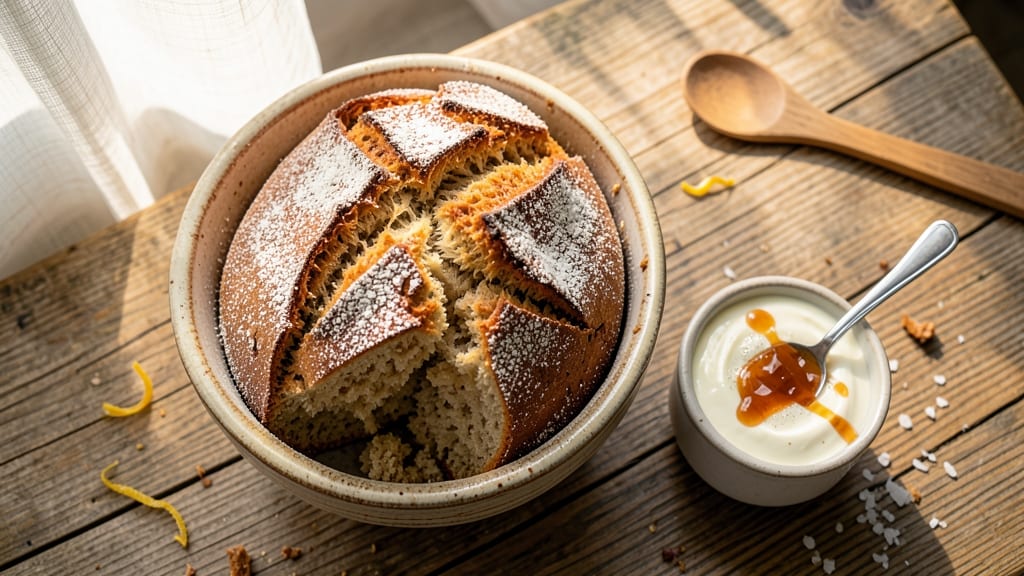
This almond flour yogurt bread delivers the perfect balance of fluffy texture and nutty richness in every slice—ideal for those seeking a lighter, grain-free alternative. The secret lies in combining coconut yogurt for moisture with almond flour for structure, creating a loaf that's both tender and satisfying.
Unlike traditional bread, this recipe avoids gluten entirely while still achieving a satisfying rise and soft crumb.
The beauty of this recipe is its simplicity: just five core ingredients and 30 minutes of active prep time yield a loaf that's as nutritious as it is delicious. The yogurt's acidity activates the baking soda, while the almond flour contributes a subtle sweetness and dense yet airy texture.
For extra depth, I recommend toasting the almond flour briefly before mixing—this enhances its natural flavor without overpowering the bread.
What you'll end up with is a golden-brown loaf with a crisp crust and a tender, slightly chewy interior, perfect for toast, sandwiches, or serving alongside soups. The nutty aroma fills your kitchen as it bakes, making it impossible to resist slicing into the warm loaf straight from the oven.
This recipe also doubles as a great base for customization—add seeds, cinnamon, or a touch of sweetener if you prefer.
Best of all, this bread keeps well for 3-4 days at room temperature or can be frozen for up to a month. Whether you're baking for dietary preferences or simply craving something lighter, this almond flour yogurt bread delivers restaurant-quality results at home. Let's get started!
Ingredients for almond flour yogurt bread
Five core ingredients transform into a golden loaf with crisp crust and tender crumb—naturally gluten-free, richly nutty, and impossibly light.
| Ingredient | Amount | Notes |
|---|---|---|
| Almond Flour 🌰 | 3 cups | Finely ground, toasted for enhanced flavor |
| Unsweetened Coconut Yogurt 🥥 | 1 cup | Plain, full-fat preferred for moisture |
| Plain Coconut Milk 🥛 | ½ cup | Full-fat for optimal texture |
| Baking Soda 🧂 | 1 ½ tsp | Activates for rise |
| Apple Cider Vinegar 🍎 | 1 tbsp | Balances baking soda |
| Maple Syrup 🍁 | ¼ cup | Pure grade B for depth |
| Ground Flaxseed 🌾 | 1 tbsp | Mixed with 3 tbsp water for egg replacement |
| Pure Vanilla Extract 🌸 | 1 tsp | High-quality for aroma |
| Sea Salt 🧂 | ½ tsp | Fine grain preferred |
| Water 💧 | ½ cup | Room temperature |
| Chia Seeds 🌱 | 1 tbsp | Optional for texture boost |
Almond flour is the star here—Bob's Red Mill or Anthony's Goods brands deliver the finest grind. Toast it in a dry skillet for 5-7 minutes until fragrant (that nutty aroma means it's ready). The coconut yogurt should be thick and tangy—So Delicious or Forager brands work perfectly. If you're using a different brand, check for added thickeners or sweeteners. For the flaxseed egg, mix it with water and let it sit for 5 minutes to thicken properly—this is what binds everything together.
No coconut yogurt? Unsweetened almond yogurt is a great swap, though the flavor will be slightly different. Running short on maple syrup? Agave nectar at the same amount works, but maple adds that perfect depth. The chia seeds are optional but add a lovely texture—if you skip them, just increase the water slightly to compensate. For extra richness, stir in 1 tbsp melted coconut oil with the wet ingredients. And if you're feeling adventurous, swap half the almond flour for sunflower seed flour for a different nutty profile.
This dough keeps for 2 days in the fridge, covered tightly. For longer storage, freeze the dough in a loaf pan for up to 3 months. When ready to bake, thaw overnight in the fridge. The baked loaf stays fresh for 3-4 days at room temperature, wrapped in a clean kitchen towel. For extra crispiness, reheat slices in a toaster or under the broiler for 30 seconds. And here's a pro tip: brush the warm loaf with a little maple syrup glaze (equal parts maple syrup and water) for that bakery-fresh finish.
Why You'll Love This Recipe
- No Mixer Needed: I swear by this—just stir, pour, bake. The coconut yogurt and almond flour blend like magic with no gluten fuss, and the vinegar keeps it light without extra effort.
- Tangy-Sweet Crust: That crispy top? The apple cider vinegar and coconut milk team up for a bright, almost buttery crust that’s ridiculously good with jam or straight from the oven.
- Weeknight Sandwich Hero: It’s my go-to for quick lunches—holds up to thick turkey or avocado without getting soggy. Honestly, I make a double batch just to have it ready.
- Budget-Friendly Staple: Almond flour might sound pricey, but this recipe stretches far. A loaf costs me less than half what store-bought bread does, and it lasts days in the fridge.
Step-by-step instructions for almond flour yogurt bread
Here's how to craft a loaf with perfect rise and nutty complexity—every layer matters.
Create the Flaxseed Egg Substitute
In a small bowl, whisk together the 1 tablespoon ground flaxseed with 3 tablespoons water (not from our ingredients list—this extra water is essential). Let it sit for 5 minutes while you prepare the rest. You'll see it transform into a gel-like consistency—this is your egg replacement, providing structure and binding. The flaxseed mixture should thicken noticeably; if it doesn't, add another teaspoon of water and wait another minute.
This step is non-negotiable for proper texture. The flaxseed acts as a binder and leavener, compensating for the lack of traditional eggs while adding subtle earthiness. I always use freshly ground flaxseed for maximum effectiveness—pre-ground loses potency quickly. Keep this mixture ready as you'll need it in the next step.
Combine Wet Ingredients for Perfect Texture
In a large mixing bowl, combine the 1 cup unsweetened coconut yogurt, 0.5 cup plain coconut milk, 0.25 cup maple syrup, 1 tablespoon apple cider vinegar, 1 teaspoon pure vanilla extract, and the flaxseed mixture you prepared. Whisk vigorously for 2 minutes until fully integrated and smooth. The mixture should be thick but pourable—this consistency ensures proper rise and moisture distribution.
Here's where the magic begins: the apple cider vinegar reacts with the baking soda later to create lift, while the coconut milk adds richness that almond flour alone can't provide. I like to use a silicone spatula for this step—it prevents overmixing while ensuring every ingredient is properly incorporated. The mixture should smell sweetly tangy with vanilla undertones.
Incorporate Dry Ingredients Gently
Sift in the 3 cups almond flour, 1.5 teaspoons baking soda, 0.5 teaspoon sea salt, and 1 tablespoon chia seeds (if using) over the wet mixture. Using a wooden spoon or spatula, gently fold everything together just until combined—do not overmix. You'll see streaks of flour remain, and that's perfect. Overmixing develops gluten in the almond flour, which can make the bread dense rather than light and airy.
The chia seeds add subtle texture contrast, but they're optional if you prefer a smoother crumb. At this stage, the batter should be thick and slightly sticky, resembling cookie dough. If it seems too dry, add 1 tablespoon water at a time until it reaches the right consistency. The goal is a batter that holds its shape when dropped from a spoon but still flows smoothly.
Prepare the Loaf Pan and Bake
Preheat your oven to 350°F. Lightly grease an 8x4-inch loaf pan or line it with parchment paper for easy removal. Pour the batter into the prepared pan and smooth the top with a spatula. For a decorative touch, I like to make a few shallow slashes in the top with a knife—this creates steam vents that help the bread rise evenly and develop a crispy crust.
Bake for 45-50 minutes until the top is golden brown and a toothpick inserted in the center comes out clean. The bread should spring back slightly when pressed gently. I've found that almond flour bread benefits from slightly longer baking than wheat flour bread—this ensures proper moisture evaporation and prevents a gummy texture. The aroma when it comes out of the oven should be warm, nutty, and subtly sweet.
Cool and Slice for Maximum Fluffiness
Remove the bread from the oven and let it cool in the pan for 10 minutes, then transfer to a wire rack to cool completely for 30 minutes before slicing. This cooling period is crucial—rushing it can make the bread dense and crumbly. The internal temperature should drop to 100°F before cutting for clean slices.
When fully cooled, slice the bread into ½-inch thick pieces. Each slice should reveal a tender crumb with subtle nutty flecks from the almond flour. The texture should be moist but not gummy, with a slight chewiness that's characteristic of properly made almond flour bread. Store any leftovers wrapped in a clean kitchen towel to maintain freshness for up to 3 days at room temperature.
Pro Tips For Making Almond Flour Yogurt Bread
- Whisk the Yogurt: Beat the unsweetened coconut yogurt until smooth and thick—no lumps, no streaks. I used to skip this, and the bread turned out dense and gummy; now it’s light and airy. Two minutes with a whisk makes all the difference.
- Measure Almond Flour Right: Spoon and level that almond flour—don’t scoop straight from the bag. It packs tightly, and you’ll end up with a dry, crumbly mess. Use a kitchen scale if you’re serious, or at least fluff it with a fork first.
- Don’t Overmix the Batter: Stir just until combined—maybe 10-12 strokes max. Overmixing develops gluten (which almond flour doesn’t have), and your bread will turn out tough instead of tender. Stop when the dry bits disappear.
- Preheat Pan and Oven: Get a 350°F oven and a hot cast-iron skillet or baking dish ready before mixing. The batter sets quickly, and a cold pan means uneven cooking—one side burns while the other stays raw. Timing is everything here.
Wine and beer pairings for this recipe
Crisp White Wine
For this almond flour yogurt bread, I recommend a dry Riesling or Sauvignon Blanc—both complement the nutty richness without overpowering it. The acidity in these wines cuts through the bread's natural sweetness, creating a refreshing contrast.
A New Zealand Sauvignon Blanc with its zesty citrus notes works particularly well, balancing the maple syrup's depth. 🍷
Light Beer Pairings
A wheat beer like Blue Moon or Hoegaarden adds a subtle sweetness that enhances the bread's caramelized crust. The effervescence cleanses your palate between bites, making each slice taste even more vibrant.
For a stronger option, try a Belgian Witbier—its coriander and orange peel notes mirror the bread's vanilla and maple undertones.
Fruit-Inspired Options
Since the bread contains maple syrup, a sparkling apple cider (like Martinelli's) or dry sparkling wine (such as Prosecco) creates a delightful harmony. The effervescence and fruitiness amplify the bread's natural sweetness while keeping the pairing light and refreshing. Serve chilled for the best experience.
Coffee or Tea
For a non-alcoholic option, cold brew coffee with a splash of oat milk enhances the bread's nutty profile beautifully. The deep, smooth flavors of a medium-roast coffee complement the almond flour's richness.
Alternatively, a chamomile tea with honey adds warmth and soothes the palate between bites of the slightly chewy bread.
Seasonal Adaptations
In summer, a rosé with its crisp acidity and berry notes pairs wonderfully with the bread's subtle sweetness. For fall, a Pinot Noir with its earthy undertones mirrors the bread's nutty depth. Adjust your pairing based on the season and the specific notes you want to highlight in the bread.
Nutrition facts
Frequently asked questions
Can I substitute regular yogurt for coconut yogurt in this recipe?
Regular yogurt won't work because it contains dairy, which would make this bread non-vegan. For the best results, stick with unsweetened coconut yogurt. If you're out of options, try unsweetened almond yogurt, though the texture may be slightly different. The key is using a yogurt with similar tanginess and thickness to ensure proper rise and moisture.
Why did my almond flour yogurt bread turn out dense instead of fluffy? Dense bread usually happens from overmixing or insufficient leavening.
How do I make this bread sweeter or more savory?
For a sweeter loaf, add 1-2 tablespoons of maple syrup or swap the chia seeds for 1 tablespoon cinnamon. For a savory version, reduce the maple syrup to 1 tablespoon and add 1 teaspoon dried herbs (like rosemary or thyme) or 1 tablespoon nutritional yeast for a cheesy note. The key is adjusting the moisture balance—reduce water slightly if adding dry ingredients.
Can I bake this bread in a different pan shape?
Yes! For a round loaf, use a 9-inch cake pan or 8-inch round pan (reduce baking time by 5-10 minutes). For mini loaves, divide the batter between two 5x3-inch loaf pans and bake for 35-40 minutes. Always check doneness with a toothpick—almond flour bread bakes faster than wheat flour bread. Line pans with parchment paper for easy removal.
How can I tell when the bread is fully baked?
The bread is done when it reaches an internal temperature of 205°F and a toothpick inserted in the center comes out clean with just a few moist crumbs. The top should be golden brown and spring back slightly when pressed gently. Almond flour bread often looks underbaked at first glance—don't rely solely on color. Let it bake until fully set to avoid a gummy texture.