
Side Dishes
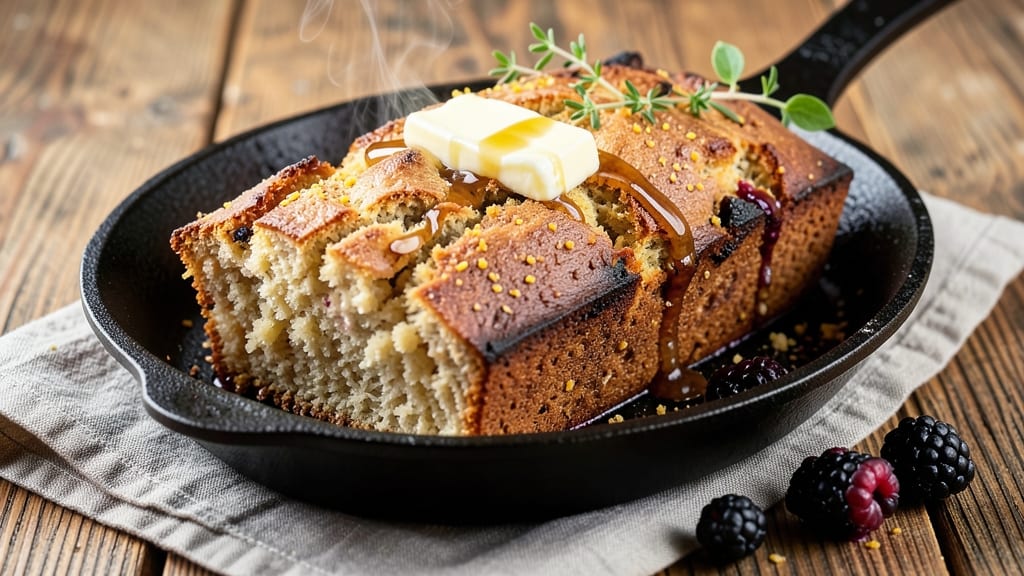
This almond flour cornbread recipe transforms traditional Southern comfort into a gluten-free masterpiece with nutty sweetness and crunchy texture—perfect for vegetarians craving that familiar taste without the gluten. The secret lies in almond flour's ability to create a tender yet sturdy crumb while keeping every bite rich and satisfying.
I developed this after years of experimenting with grain-free alternatives, and it finally delivers that golden, crackly crust everyone loves.
The beauty of this recipe is its versatility—it serves as a standalone side for chili or soups, a breakfast companion to eggs and bacon, or even a dessert when dusted with powdered sugar. Unlike traditional cornbread, this version uses almond flour for a lower-carb, higher-protein option that still satisfies cravings.
The combination of sweet cornmeal and almond flour creates a complex flavor that's both familiar and excitingly different.
What makes this recipe truly special is how it achieves restaurant-quality texture at home. The almond flour absorbs moisture just enough to create a moist yet crumbly interior, while the egg and butter work together to form that perfectly golden crust.
Baking time is short—just 20 minutes—but the flavor develops fully, making it ideal for busy weeknights or meal prep.
Whether you're gluten-free, grain-free, or simply looking for a nutritious twist on a classic, this cornbread delivers. Pair it with grilled meats, serve alongside roasted vegetables, or enjoy a slice warm from the oven. The possibilities are endless—and every bite is worth it.
Ingredients for almond flour corn bread
Gluten-free baking starts here with these carefully chosen ingredients designed for perfect texture and nutty depth.
| Ingredient | Amount | Notes |
|---|---|---|
| Almond Flour 🥜 | 1 ½ cups | Finely ground, blanched preferred |
| Fine Yellow Cornmeal 🌽 | ½ cup | Stone-ground for texture |
| Granulated Sweetener 🍯 | ¼ cup | Erythritol or monk fruit blend |
| Unsalted Butter 🧈 | ½ cup | Cold, cubed for texture |
| Large Eggs 🥚 | 2 whole | Room temperature for blending |
| Unflavored Almond Milk 🥛 | ¾ cup | Full-fat for richness |
| Baking Powder 🍞 | 1 tbsp | Aluminum-free preferred |
| Diamond Crystal Kosher Salt 🧂 | ½ tsp | Fine grain preferred |
| Ground Cinnamon 🌿 | ½ tsp | Freshly ground preferred |
| Pure Vanilla Extract 🌸 | 1 tsp | High-quality, alcohol-free |
| Powdered Sugar 🍬 | ¼ cup | For optional topping |
The almond flour is the foundation—Bob's Red Mill or Anthony's Goods brands deliver the finest grind for that signature crumb. Look for blanched almond flour if available, as it yields a slightly lighter texture. The cornmeal should be stone-ground for authentic grit, and Bob's Red Mill again excels here. For the sweetener, Lakanto or Swerve blends work beautifully without aftertaste. Unsalted butter is non-negotiable; Plugrá or Kerrygold provide that rich, clean flavor. Eggs should be large for proper structure—room temperature ensures even blending. The almond milk adds moisture without altering flavor; So Delicious unsweetened works perfectly.
No almond flour? Sunflower seed flour at a 1:1 ratio maintains texture, though flavor will differ. Swap cornmeal for white rice flour if needed, but expect a denser crumb. The granulated sweetener can be omitted entirely for a savory version, though the recipe loses its signature sweetness. For the butter, coconut oil at the same quantity works in a pinch, though it lacks the same depth. Egg substitutes like flax eggs (1 tbsp ground flax + 3 tbsp water per egg) maintain structure but may yield a slightly drier crumb. The vanilla extract is where quality matters most—Nike or McCormick brands deliver consistent results. Powdered sugar for topping can be omitted entirely if you prefer a savory finish.
Store the dry ingredients in an airtight container for up to 6 months, while the butter should be kept in its original packaging until use. Once mixed, the batter holds for 24 hours in the fridge—ideal for meal prep. Bake immediately for best texture, but warmed slices reheat beautifully in a 350°F oven for 5-10 minutes. For longer storage, freeze baked cornbread wrapped in foil for up to 3 months. The powdered sugar topping, if used, should be added immediately after baking to prevent moisture loss. This cornbread tastes even better the next day as flavors meld.
Why You'll Love This Recipe
- Four-Ingredient Magic: I swear, this comes together with just almond flour, cornmeal, butter, and eggs—no fancy measurements or last-minute grocery runs. Honestly, I keep the dry ingredients in a jar by my stove so I can toss it together faster than I can say "brunch."
- Buttery Crunch Perfection: That almond flour gives it a nutty richness while the cornmeal adds a satisfying crunch—like biting into a warm, golden hug. The butter? It’s the secret weapon that makes every slice irresistible, even straight from the fridge.
- Weeknight Workhorse: Serve it with chili for a hearty dinner, tear it into toast for breakfast, or pack slices for lunch. Between us, I’ve even used it as a crust for casseroles when I’m too tired to bake from scratch. It’s that adaptable.
- Budget-Friendly Staple: Almond flour might sound pricey, but a little goes a long way, and the cornmeal stretches it further than regular flour ever could. Plus, the leftovers? They stay fresh for days—perfect for when you’re too busy to bake again. My wallet and I both approve.
Step-by-step instructions for almond flour cornbread
This gluten-free cornbread delivers the perfect balance of nutty richness and sweet crunch.
Preheat and Prepare Baking Pan
Preheat your oven to 350°F. Generously grease an 8-inch square baking pan or cast-iron skillet with unsalted butter, using a paper towel to spread it evenly along the sides and bottom. The butter will create a golden crust while preventing sticking—critical for gluten-free baking where structure relies on fat rather than gluten development.
Place the prepared pan on the middle rack of your oven while it preheats. This ensures even heat distribution and prevents the bottom from burning before the center sets. I like to use a cast-iron skillet for maximum crispiness, but any oven-safe pan will work if properly greased.
Cream Butter and Sweeteners
In a stand mixer fitted with the paddle attachment, beat the cold cubed unsalted butter and granulated sweetener on medium speed for 2-3 minutes until light and fluffy. You're looking for a pale, airy mixture that nearly doubles in volume—this incorporates air that will create the tender crumb characteristic of good cornbread.
Stop occasionally to scrape down the sides of the bowl with a silicone spatula. The butter should be completely melted but still hold its shape when pressed between your fingers. This cold-creaming technique prevents the butter from melting too quickly in the oven, which would make the cornbread dense rather than tender.
Combine Wet and Dry Ingredients
Add the room temperature large eggs, unflavored almond milk, vanilla extract, baking powder, diamond crystal kosher salt, and ground cinnamon to the butter mixture. Mix on low speed for 1 minute until just combined—you should still see small pockets of flour.
In a separate bowl, whisk together the almond flour and fine yellow cornmeal. Gradually add this dry mixture to the wet ingredients while mixing on low speed until just incorporated. Overmixing develops gluten, which we're avoiding in this gluten-free version. The batter should be thick but pourable, similar to pancake batter.
Bake Until Golden and Springy
Carefully pour the batter into your prepared pan and smooth the top with a spatula. Bake for 25-30 minutes until the edges are golden brown and a toothpick inserted in the center comes out clean. The top should spring back slightly when pressed with your finger—this indicates proper doneness.
I recommend checking for doneness at the 20-minute mark as ovens vary. If the top browns too quickly, tent loosely with aluminum foil to prevent over-browning while the center finishes cooking. The cornbread is ready when it pulls away slightly from the edges of the pan.
Cool and Serve (Optional Powdered Sugar)
Remove the cornbread from the oven and let it cool in the pan for 10 minutes before transferring to a wire rack. This resting period allows the internal structure to set properly. For an extra touch, dust the warm cornbread with the powdered sugar while still slightly warm—it'll melt slightly into the crust for a sweet finish.
Serve warm with honey butter or chili for the perfect balance of sweet and savory. Each slice should have a tender crumb with a slightly crisp exterior, and the nutty flavor from the almond flour should complement the cornmeal's sweetness. The gluten-free structure holds up beautifully when sliced properly—cut while still slightly warm for cleaner pieces.
Pro Tips For Making Almond Flour Corn Bread
- MEASURE ALMOND FLOUR BY WEIGHT: Almond flour packs differently than regular flour—scooping it straight from the bag leaves you guessing. Use a kitchen scale for accuracy; 1 cup of almond flour weighs about 100 grams, but scooping gives you closer to 120 grams. Trust me, your bread’s texture will thank you.
- STOP WHEN THE CENTER JIGGLES: This isn’t your grandma’s corn bread—it’s almond-flour-based, so it won’t set like traditional bread. Pull it from the oven when the edges are golden and the center still wobbles slightly. Let it cool in the pan for 5 minutes first, or it’ll collapse like a sad soufflé.
- WARM THE CORNMEAL FIRST: Cold cornmeal makes the batter gummy. Microwave your fine yellow cornmeal for 30 seconds before mixing it in—just enough to take the chill off. I learned this the hard way after a batch turned out dense and chewy instead of tender.
- USE ROOM-TEMP EGG BUTTER: Cold butter and eggs slow down the batter and can leave pockets of uneven texture. Let them sit out for 20 minutes before mixing, or even better, warm the butter slightly (but not melted) and let the eggs come to room temp. Your bread will rise more evenly and stay moist longer.
Regional styles of these flavors
Southern-Style Sweetness
This recipe draws from classic Southern cornbread traditions but swaps traditional flour for almond flour to create a gluten-free version with the same comforting sweetness. The key is using stone-ground cornmeal and a touch of cinnamon to evoke that familiar Southern flavor profile.
I often serve it warm with honey butter, just like my grandmother used to—it's the perfect way to honor tradition while adapting to modern dietary needs. 🌿
Midwest Crunch Style
For a heartier texture, try adding ¼ cup chopped pecans to the batter before baking. This Midwest-inspired variation creates a delightful crunch that contrasts beautifully with the tender crumb.
The pecans toast during baking, enhancing their natural sweetness and adding depth to each bite. I like to use Bob's Red Mill pecans for consistent quality and texture.
Smoky BBQ Twist
Transform this into a savory BBQ companion by omitting the sweetener entirely and adding 1 tbsp smoked paprika and ½ tsp onion powder to the dry ingredients. The almond flour maintains the crumb structure while the smoky spices create a perfect pairing for grilled meats.
This version works especially well with pulled pork or smoked brisket—just brush the warm cornbread with BBQ sauce for an extra flavor boost. 🔥
Cajun Spice Variation
For a Louisiana-inspired kick, stir in ½ tsp cayenne pepper and 1 tsp Cajun seasoning (like Tony Chachere's) with the wet ingredients. The almond flour keeps the texture tender while the spices add a bold, spicy character that pairs perfectly with gumbo or jambalaya.
Serve warm with a dollop of sour cream to balance the heat.
Apple Cider Glaze
Take your cornbread to dessert level by brushing the warm loaf with a mixture of ¼ cup apple cider and 1 tbsp maple syrup after baking. The almond flour's nutty richness complements the cider's tartness beautifully.
This New England-inspired variation works especially well during autumn months—just add a sprinkle of cinnamon sugar on top before serving. 🍎
Herbed Savory Version
For a sophisticated savory option, replace the sweetener with 2 tbsp nutritional yeast and add 1 tbsp fresh rosemary and 1 tbsp fresh thyme to the batter. The almond flour's neutral flavor lets the herbs shine while maintaining that perfect crumb.
This Mediterranean-inspired variation pairs beautifully with roasted vegetables or grilled fish, offering a completely different flavor profile while keeping the same comforting texture. ✨
Nutrition facts
Frequently asked questions
Why does this almond flour cornbread turn out denser than traditional cornbread?
Almond flour absorbs more moisture than wheat flour, which is why this recipe uses slightly less liquid and relies on cold butter for structure. The key is mixing just until combined—overmixing develops gluten-like proteins in almond flour that make the texture tough. Always let the batter rest for 5 minutes before baking to improve crumb.
Can I make this recipe without almond flour?
Yes! For a 1:1 substitute, use sunflower seed flour or white rice flour, though texture will differ slightly. The cornmeal remains essential for that classic crumb. If avoiding nuts entirely, try coconut flour but reduce to 1 cup and add 2 extra tbsp almond milk to compensate for its high absorbency.
How do I prevent the top from browning too quickly?
Tent the cornbread loosely with aluminum foil after 15 minutes of baking. The almond flour's higher fat content makes it more prone to over-browning. For extra insurance, place a small tray of water on the lower oven rack to create steam. The goal is golden edges with a soft center—check with a toothpick at 20 minutes.
Is this cornbread safe for nut allergies?
No, this recipe contains almond flour and should not be consumed by people with nut allergies. For a nut-free version, substitute with sunflower seed flour or oat flour (certified gluten-free). Always check labels on almond milk substitutes to ensure no cross-contamination with tree nuts.
What's the best way to reheat slices?
Warm slices in a 350°F oven for 5-8 minutes wrapped in foil to restore moisture. For crispy edges, broil for 1-2 minutes after unwrapping. Microwaving works in a pinch (15-20 seconds) but can make the crumb gummy. Freshly baked cornbread reheats best within 24 hours of baking.