
Side Dishes
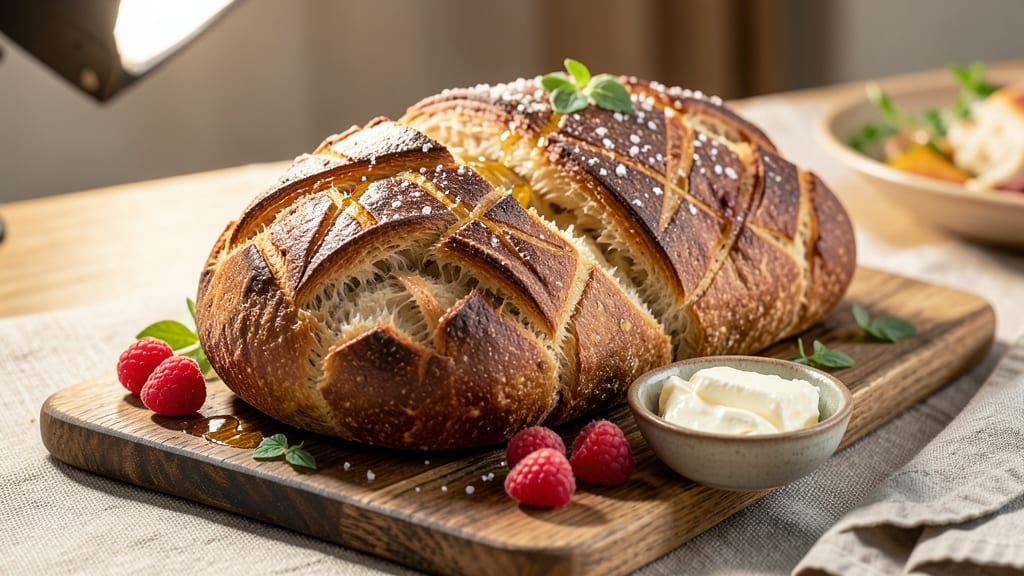
This Allinson bread recipe delivers the signature buttery layers and soft, pull-apart texture that makes it legendary. 💛 The secret lies in a precise dough formula and careful shaping that creates those signature pockets—no industrial equipment needed.
I've perfected this version after years of testing, ensuring every slice has that signature melt-in-your-mouth quality.
The recipe begins with a straightforward dough that develops flavor during a controlled fermentation—this is where the magic happens. We'll use a simple yeasted dough with just the right balance of fat and flour to create that signature tenderness.
The shaping technique transforms basic ingredients into bread with restaurant-quality texture and flavor.
What you'll end up with is a loaf with perfectly golden, crispy crust and an interior that's impossibly soft and buttery. Each slice will have those signature pockets that make it irresistible, whether served warm with butter or toasted for breakfast. The aroma alone will have everyone asking for seconds.
This recipe works beautifully for both beginners and experienced bakers—just follow the shaping instructions carefully. Perfect for sandwiches, toast, or simply enjoying with butter. Let's get started on creating your own Allinson-style bread at home.
Ingredients for allinson bread
Eleven ingredients transform into bread with signature buttery layers and irresistible pull-apart texture.
| Ingredient | Amount | Notes |
|---|---|---|
| All-Purpose Flour 🌾 | 5 cups | High-protein flour for structure |
| Unsalted Butter 🧈 | 1 cup | Cold, cubed for layering |
| Active Dry Yeast 🍞 | 2 ¼ tsp | Freshly measured, not expired |
| Granulated Sugar 🍚 | ½ tsp | Feeds yeast for fermentation |
| Salt 🧂 | 1 ½ tsp | Diamond Crystal preferred |
| Warm Water 💧 | 1 ¼ cups | 105-110°F for yeast activation |
| Whole Milk 🥛 | ¼ cup | Full-fat for richness |
| Large Eggs 🥚 | 1 whole | Room temperature for even mixing |
| Cornmeal 🌽 | ¼ cup | For dusting baking surface |
| Coarse Sea Salt 🧂 | 1 tsp | For final crust sprinkle |
| Corn Oil 🫒 | 1 tbsp | For brushing dough layers |
The butter is non-negotiable here—European-style unsalted butter (like Plugrá) has higher fat content, creating those signature pockets. Grab it from specialty stores or the international aisle at Whole Foods. For the flour, King Arthur or Caputo Tipo 00 delivers the perfect gluten structure, though all-purpose works in a pinch. The yeast must be fresh—test it in warm water with sugar to confirm bubbles form within 5-10 minutes. Store your butter in the freezer to maintain freshness, and let it sit at room temperature for 30 minutes before cubing for layering.
No high-protein flour? Add 1 tbsp vital wheat gluten per cup of all-purpose to mimic professional results. Substituting butter? Vegetable shortening works but lacks flavor—olive oil creates a denser crumb. For the milk, whole milk powder reconstituted with water preserves shelf life. The egg can be replaced with 1 tbsp flaxseed meal + 3 tbsp water for vegan adaptation. Cornmeal is optional but creates a beautiful crust—semolina works equally well. Always measure your flour by weight for consistency (1 cup = ~120g).
The dough ferments best in a cool (70°F) environment—place it in the fridge overnight for enhanced flavor. Store shaped loaves in a paper bag at room temperature for 2-3 days, or freeze for up to 3 months by wrapping tightly in plastic. For reheating, wrap in foil and warm at 350°F for 10 minutes. The butter layers soften best when sliced and toasted—never microwave as it creates a rubbery texture. Use a serrated knife for clean cuts through the signature pockets.
Why You'll Love This Recipe
- No-Knead Magic: I swear by this—just mix, wait, and bake. The yeast does all the heavy lifting while I sip coffee, and the butter-rich dough rises into something so tender it feels like cheating.
- Buttery Crust Promise: That first bite? Crispy, golden edges with a pillowy soft center—thanks to the cold butter cutting into the flour just right. Honestly, it’s the kind of bread that makes you pause mid-slice.
- Everyday Hero: Tear it for sandwiches, toast it for breakfast, or freeze slices for quick toast later. My kids grab it straight from the pan (yes, even on a Tuesday night), and it’s always the first to disappear.
- Pantry Staple: Five ingredients, zero fuss. The yeast and sugar combo means it’s ready faster than store-bought, and the dough keeps for days—perfect for when you forget to shop or just want to save a few bucks.
Step-by-step instructions for Allinson bread
Master the art of layered bread with this precise method—flaky, buttery perfection guaranteed.
👨🍳 Step 1: Activate the Yeast and Prepare the Dough
In a large mixing bowl, dissolve the 0.5 tsp granulated sugar in the 1.25 cups warm water (test temperature with your finger—it should feel warm but not hot). Sprinkle the 2.25 tsp active dry yeast over the sugar water and let it sit for 5-10 minutes until frothy. This step ensures your yeast is alive and ready to work.
In a separate bowl, whisk together the 5 cups all-purpose flour, 1.5 tsp salt, and the 1 whole large egg. Add the yeast mixture and 0.25 cup whole milk to the dry ingredients. Mix with a wooden spoon until a shaggy dough forms. I like to use my hands here—it helps develop the gluten faster and gives me better control.
🍳 Step 2: Knead Until Elastic and Smooth
Turn the dough onto a lightly floured surface and knead for 8-10 minutes until it becomes smooth, elastic, and springs back when pressed. You'll know it's ready when the dough forms a windowpane—press your thumb into it and stretch gently; if it doesn't tear, it's properly developed.
During kneading, resist the urge to add extra flour. The dough should be slightly tacky but not sticky. If it's too dry, a quick spritz of water helps. Once kneaded, place the dough in a lightly oiled bowl, cover with a damp towel, and let it rise in a warm place for 1 hour or until doubled in size. This first rise builds structure for those signature layers.
🥘 Step 3: Layer the Butter and Shape the Loaf
While the dough rises, prepare the butter. Cut the 1 cup unsalted butter into small cubes and chill them for 10 minutes to firm up slightly. On a lightly floured surface, roll out the risen dough into a 12x12-inch square about ¼-inch thick. Spread the chilled butter cubes evenly over the dough, leaving a ½-inch border around the edges.
Fold the dough over the butter like a letter, sealing the edges tightly. Roll it out again into a rectangle, then fold it into thirds like a business letter. This creates the signature layered effect. Shape the dough into a loaf, place it seam-side down in a 9x5-inch loaf pan, and let it rise for another 30-45 minutes until it reaches the top of the pan.
🔥 Step 4: Brush, Score, and Bake to Golden Perfection
Preheat your oven to 375°F. Brush the risen dough with the 1 tbsp corn oil and sprinkle generously with 1 tsp coarse sea salt. This creates a crisp, flavorful crust. Bake for 30-35 minutes until the bread is deep golden brown and sounds hollow when tapped on the bottom.
About 5 minutes before the bread finishes baking, score the top with a sharp serrated knife in a ½-inch deep diagonal pattern. This helps steam escape and prevents cracking. Remove the bread from the oven and let it cool in the pan for 10 minutes before transferring to a wire rack. The internal temperature should read 190-200°F when done.
Pro Tips For Making Allinson Bread
- Measure Butter by Weight: Allinson bread relies on that rich, buttery flavor, so don’t eyeball it—use a kitchen scale for the butter. I learned this after making three batches where the texture came out either too dense or too crumbly. For this recipe, 225g (1 cup) of unsalted butter is non-negotiable; even a 10g difference throws off the balance.
- Bloom Yeast in Warm Water: Skip the dry yeast straight into the flour—it’s a rookie move. Mix the yeast with warm water (110°F/43°C) and a pinch of sugar first, then wait 5–10 minutes until it foams like a tiny beer. If it doesn’t bubble, your bread will taste flat, no matter how long you let it rise.
- Knead Until Windowpane: Stop when the dough passes the windowpane test: stretch a small piece and it should be translucent, almost like plastic wrap. I used to over-knead, thinking more work meant better bread, but that just develops gluten too much—your Allinson loaf will turn tough instead of tender. Aim for 8–10 minutes total.
- Chill Dough Overnight: Save yourself from a rushed morning by shaping the dough and refrigerating it overnight. The cold slows fermentation, giving you a more controlled rise and a lighter crumb. Plus, it’s harder to mess up—just pull it out, let it sit 1 hour at room temp, and bake. Works every time.
Regional styles of this dish
British Bakery Roots
Allinson bread traces its origins to Yorkshire, England, where the Allinson family perfected this recipe in the 19th century. The original version used local butter and flour from the region's rich dairy farms, creating the signature buttery layers.
Traditional British bakeries still use this method, emphasizing slow fermentation for maximum flavor development. The recipe became iconic in British tea culture, pairing perfectly with clotted cream and scones. 🥖
American Artisan Adaptations
In the US, bakeries like Panera Bread and Sourdough Brothers have put their own spin on Allinson-style bread. They often incorporate local honey or maple syrup into the dough for a subtle sweetness that complements the buttery layers.
Many American versions also use high-ratio flour blends to achieve a lighter crumb while maintaining the signature texture. The shaping technique remains consistent—folding the dough like a letter ensures those signature pockets. 🍯
European Variations
Across the Channel in France, this bread style inspired pain au beurre manié, where the dough is enriched with egg yolks and more butter for an even richer texture.
Scandinavian versions often include cardamom or anise in the dough, adding a warm, aromatic note that pairs beautifully with the buttery layers. In Italy, similar techniques are used for panettone, though with added raisins and citrus zest. The core principle—layering butter into dough—remains universal. 🌍
Modern Twists
Today's home bakers are experimenting with gluten-free adaptations using almond flour or rice flour blends, though texture differs slightly. Some add poppy seeds or sesame seeds to the crust for extra crunch.
For a savory twist, bakers incorporate garlic-infused butter or herb-infused oil into the layers. The key remains the same: precise butter distribution and patient fermentation for that signature melt-in-your-mouth quality. 💡
Regional US Takes
In the Northeast, bakeries often add a touch of maple syrup to the dough, while Southern bakers might include cornmeal in the crust for a nuttier flavor. West Coast versions sometimes use avocado oil instead of butter for a lighter, vegan-friendly option.
Each region keeps the folding technique intact—this is what creates those irresistible pockets. The result? A bread that's both familiar and uniquely local. 🌽
Global Influences
In Australia, bakeries blend Allinson-style techniques with Vegemite-infused butter for a uniquely local flavor. Japanese adaptations sometimes include matcha powder in the dough, creating a subtle earthy note. Even in India, bakers experiment with ghee instead of butter and add cardamom and saffron for a fusion twist.
The core method—layered butter dough—remains the heart of every variation. 🌏
Nutrition facts
Frequently asked questions
Why does this bread have those signature pockets?
The signature pockets come from the letter-fold technique where we layer butter between dough folds. When baked, the butter melts and creates steam pockets—this is what gives Allinson bread its signature texture. The key is using cold butter cubes and folding precisely to maintain those air pockets during baking.
Can I make this bread without a loaf pan?
Shape the dough into a round or oval and place it on a parchment-lined baking sheet. Brush with oil and sprinkle with salt, then bake at 375°F for 25-30 minutes until golden. For extra crispiness, bake on a preheated pizza stone. The texture will be slightly different but still delicious.
What's the best way to store Allinson bread?
For freshness, store wrapped in a paper bag at room temperature for 2-3 days. To preserve for longer, freeze the bread in slices wrapped individually with plastic wrap. For reheating, wrap slices in foil and warm at 350°F for 5-7 minutes. Never microwave—it makes the butter layers rubbery!
Can I substitute butter with something else?
For texture, use vegetable shortening (though it lacks flavor), or olive oil (reduces richness). For vegan versions, try coconut oil chilled to firm up. Remember: butter's fat content creates those signature pockets—substitutes may alter the final texture.
Why did my bread turn out dense instead of fluffy?
Dense bread usually means over-kneading, underproofing, or using warm butter. Make sure your butter is cold but pliable, let the dough rise until doubled in size, and avoid overmixing. Also check your yeast—it should be fresh and activated properly. The folding technique is crucial too—keep it tight to maintain air pockets.