
Side Dishes
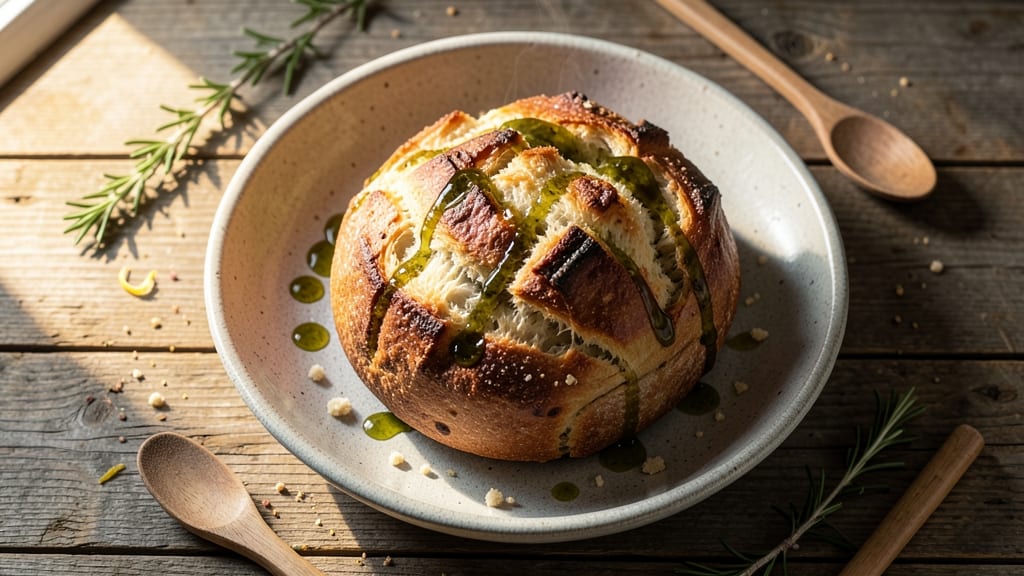
This all-purpose bread recipe delivers a perfectly balanced loaf with a soft, airy crumb and crispy crust—ideal for sandwiches, toast, or French toast. The secret lies in precise kneading and proper proofing, which develop the gluten for that signature texture.
I've perfected this method over years of baking, ensuring consistent results every time.
What sets this recipe apart is its versatility and simplicity. With just five basic ingredients—flour, water, yeast, sugar, and salt—you'll create a loaf that's tender yet sturdy enough for any use.
The kneading process builds strength, while controlled proofing ensures a light, even rise. Most importantly, it's a foolproof method that works for beginners and experienced bakers alike.
The result is a golden-brown loaf with a soft interior and satisfying crunch on the crust. Each slice stays fresh longer, making it perfect for meal prep or sharing. Whether you're making grilled cheese sandwiches, crusty toast, or dinner rolls, this bread will elevate every bite.
With just 30 minutes of active time and 2 hours of rising, you'll have homemade bread that rivals store-bought. The best part? You can customize it with seeds, herbs, or garlic for endless variations. Let's get started on creating your perfect loaf.
Ingredients for all purpose bread
Five staples transform into a golden loaf with perfect crumb and crispy crust.
| Ingredient | Amount | Notes |
|---|---|---|
| All-Purpose Flour 🌾 | 4 cups | Sifted for light texture |
| Active Dry Yeast 🍞 | 2 ¼ tsp | Freshly opened for best rise |
| Granulated Sugar 🍚 | 1 tbsp | White or light brown |
| Salt 🧂 | 1 tsp | Diamond Crystal preferred |
| Warm Water 💧 | 1 ¼ cups | 110°F for ideal yeast activation |
| Extra-Virgin Olive Oil 🫒 | 1 tbsp | For dough elasticity |
| Cornmeal 🌽 | ¼ cup | For dusting bread pan |
The flour is non-negotiable here—King Arthur or Gold Medal are my go-to for consistent results. Sift before measuring to avoid dense bread. The yeast? Freshly opened is key—if it's been sitting in your pantry for months, it's past its prime. Warm water is crucial: too hot kills the yeast, too cold makes it sluggish. 110°F is perfect—think warm bathwater. For the olive oil, California brands like Bertolli or Filippo Berio add subtle richness that cheap oils miss. Store your flour in an airtight container to prevent absorption of fridge odors.
No yeast on hand? Active dry yeast is essential—instant yeast works at half the amount, but traditional active dry gives better rise. Running short on sugar? Honey or maple syrup works in a pinch, but adjust to taste since they're sweeter. Diamond Crystal salt is my preference because it's coarser and dissolves better than table salt. For olive oil, any extra-virgin will work, but avoid light or refined oils—they lack flavor. Cornmeal is just for dusting, but if you're out, semolina or flour works too. The only true swap is yeast, so plan ahead!
This dough keeps for 3 days in the fridge wrapped tightly—perfect for meal prep. For longer storage, freeze shaped loaves for up to 3 months. To revive, thaw overnight at room temperature. The best part? Leftovers make amazing croutons—toss cubes with olive oil, salt, and herbs, then bake until crispy. For extra flavor, brush warm bread with melted butter and sprinkle with flaky salt right after baking. Trust me, it's worth the extra minute!
Why You'll Love This Recipe
- Pantry Staples Only: I swear by this recipe because it uses what’s already in my cupboard—no specialty flours or weird ingredients. Just flour, yeast, sugar, salt, and water. That’s it. No last-minute grocery runs, no stress.
- Crusty Yet Soft: The secret’s in the kneading (or lack of it) and that little pinch of sugar feeding the yeast—you get a golden, crackly crust with a pillowy interior. Honestly, it’s the kind of bread that makes toast feel like a celebration.
- Meal Prep MVP: Bake a loaf on Sunday, and you’ve got sandwiches, toast, or French toast for days. Between us, I’ve frozen slices straight from the oven and reheated them like garlic bread—no one can tell the difference.
- Budget Bread Wins: A single batch costs pennies and stretches for a week. I’ll be real: my kids ask for it more than store-bought, and it’s the one thing I never skip buying. That’s saying something when you’re pinching pennies.
Step-by-step instructions for perfect homemade bread
This foolproof method delivers a tender, flavorful loaf that's perfect for sandwiches, toast, or French toast.
Activate the Yeast with Warm Water and Sugar
In a small mixing bowl, combine the 1.25 cups warm water (about 110°F) with the 1 tbsp granulated sugar and 2.25 tsp active dry yeast. Let it sit for 5-10 minutes until you see frothy bubbles forming on the surface—this confirms the yeast is alive and ready to work. If no bubbles appear after 10 minutes, your yeast may be old or inactive, and you'll need to start over.
This activation step is crucial for developing flavor and ensuring a proper rise. The sugar provides initial food for the yeast, while the warm water creates the ideal environment for fermentation. Don't use water that's too hot (above 120°F) or it will kill the yeast instantly.
Mix the Dough Until Smooth and Elastic
In a large mixing bowl, combine the 4 cups all-purpose flour and 1 tsp salt. Make a well in the center and pour in the yeast mixture along with the 1 tbsp extra-virgin olive oil. Using a wooden spoon or dough whisk, stir until the ingredients begin to come together, then switch to your hands to knead for 5-7 minutes until the dough becomes smooth and elastic.
You'll know it's ready when the dough springs back slowly when poked with your finger. The olive oil adds elasticity while preventing the dough from becoming too tough. If the dough feels sticky, add 1-2 tablespoons of flour at a time until it reaches the perfect workable consistency. This kneading process develops gluten, which gives bread its structure and chewiness.
Let the Dough Rise Until Doubled in Size
Lightly oil a large bowl, place the dough inside, and cover it with a clean kitchen towel or plastic wrap. Let it rise in a warm place (like near a turned-off oven with the light on) for 1-1.5 hours, or until it has doubled in size. You'll see the dough puff up noticeably and feel lighter when pressed gently with your finger.
This first rise is where the magic happens—the yeast ferments the sugars, producing carbon dioxide that makes the bread light and airy. Don't rush this step; a proper rise ensures a well-developed crumb structure. If your kitchen is cold, place the bowl on top of your refrigerator (not inside) to create a warm environment that speeds up the process.
Shape and Second Rise for Maximum Flavor
Punch down the risen dough to release any air bubbles, then turn it out onto a lightly floured surface. Gently shape it into a loaf form (about 9x5 inches) by folding the sides toward the center and rolling it with your hands. Place the shaped loaf seam-side down in a 9x5-inch loaf pan that has been lightly dusted with 0.25 cup cornmeal to prevent sticking.
Cover the pan with a towel and let the dough rise again for 30-45 minutes until it's just about to overflow the pan. This second rise ensures the bread will have a good oven spring. The cornmeal creates a crispy bottom crust while preventing the bread from sticking to the pan. Preheat your oven to 375°F during this final rise to ensure it's ready when the bread is.
Bake to Golden Perfection with Steam
Bake the bread for 30-35 minutes until the top is golden brown and it sounds hollow when tapped on the bottom. For extra browning, you can brush the top with a little water or milk before baking. The internal temperature should reach 190-200°F when checked with an instant-read thermometer.
Let the bread cool in the pan for 10 minutes, then transfer it to a wire rack to cool completely before slicing. This cooling period allows the bread to set properly and prevents a gummy texture. The result should be a tender, flavorful loaf with a crisp crust and soft interior—perfect for sandwiches, toast, or French toast.
Pro Tips For Making All Purpose Bread
- WEIGH YOUR FLOUR: I learned this the hard way—measuring flour by scooping from the bag packs in air pockets, which throws off your dough’s consistency. Use a kitchen scale for 1:1:1:1:1 ratios (flour:water:yeast:sugar:salt by weight) or spoon flour into the cup and level it off. Your dough will thank you with better rise and texture.
- TEST THE YEAST FIRST: Skip the guesswork: proof your yeast before mixing. Dissolve 1 teaspoon sugar in ¼ cup warm water, add ¼ teasastpoon yeast, and wait 5–10 minutes. If it bubbles, your yeast is active—proceed. No bubbles? Toss it and start fresh. This saves you from a flat, sad loaf later.
- KNEAD JUST ENOUGH: Over-kneading makes bread tough, but under-kneading leaves it dense. Stop when the dough springs back slowly when poked (about 5–7 minutes by hand or 3–5 minutes with a stand mixer on medium). Gluten develops fast—don’t let it get rubbery.
- USE COLD WATER FOR SHAPE: Cold water (around 80°F) slows yeast activity just enough to give you time to shape the dough without it rising prematurely. Mix your water slightly cooler than "warm" (test by dipping your wrist in—should feel like bathwater, not sauna). Your loaf will hold its shape better during proofing.
Regional styles of these flavors
Italian Panettone Style
Transform your loaf into a festive Italian-inspired bread by adding ½ cup candied fruit (like dried citrus or cherries) and ¼ cup raisins to the dough after the first rise. Fold them in gently to distribute evenly.
For extra richness, replace the olive oil with 2 tbsp melted butter and add 1 tsp vanilla extract to the yeast mixture. This version is perfect for holiday celebrations and pairs beautifully with dessert wines. 🍷
French Baguette Twist
Skip the loaf pan and shape the dough into a 12-inch baguette by rolling it tightly on a floured surface. Place it on a parchment-lined baking sheet and let it rise for 45 minutes.
Score the top with a sharp knife in a diagonal pattern before baking at 425°F for 20-25 minutes. This method creates a crispy crust and airy interior, ideal for dipping in olive oil or serving with charcuterie. 🥖
German Pretzel Adaptation
For a fun twist, add 1 tbsp baking soda to the dough and shape it into small rounds. Boil the dough balls in water with 2 tbsp coarse salt for 30 seconds before baking at 400°F for 12-15 minutes.
The baking soda creates a chewy texture, while the salt bath gives that classic pretzel flavor. Serve warm with mustard or butter for a satisfying snack. 🧂
Southern Cornbread Fusion
Replace 1 cup of all-purpose flour with 1 cup cornmeal and add ½ cup buttermilk to the yeast mixture. Shape the dough into a round and bake in a cast-iron skillet at 425°F for 20-25 minutes.
This fusion creates a tender crumb with a slightly sweet, cornbread-like flavor that's perfect for breakfast or as a side dish. Top with honey butter for extra indulgence. 🌽
Mediterranean Herb Loaf
Stir 1 tbsp dried rosemary or thyme into the flour before mixing, or add 2 tbsp finely chopped fresh herbs after kneading. For extra depth, infuse the olive oil with 1 tsp dried oregano by heating it gently for 5 minutes before using.
This aromatic version pairs wonderfully with Mediterranean dishes like grilled lamb or hummus. 🌿
Sweet Cinnamon Swirl
Add 2 tbsp ground cinnamon and ¼ cup brown sugar to the dough, then roll out the shaped loaf and spread 2 tbsp softened butter mixed with 1 tbsp cinnamon sugar on top before the final rise.
Bake as directed, then slice into thick pieces for a delicious cinnamon bread that's perfect with coffee or as a dessert. ✨
Nutrition facts
Frequently asked questions
Can I make this bread without a stand mixer?
This recipe is designed for hand-kneading. Use your hands or a wooden spoon to mix the dough thoroughly, then knead on a lightly floured surface for 5-7 minutes until smooth and elastic. The key is consistent pressure—press, fold, and turn the dough repeatedly until it springs back slowly when poked.
Why did my bread turn out dense instead of light?
Dense bread usually means the yeast didn't activate properly or the dough didn't rise enough. First, check your yeast—it should bubble within 5-10 minutes in warm water. If not, try fresh yeast. Also, ensure your kitchen is warm enough (at least 75°F) for proper rising. Cold environments slow yeast activity.
How long can I keep homemade bread fresh?
Wrap cooled bread tightly in plastic wrap or aluminum foil and store at room temperature for 3-4 days. For longer storage, freeze the loaf for up to 3 months. Thaw overnight at room temperature or warm in a 350°F oven for 10 minutes to restore freshness.
Can I substitute whole wheat flour for all-purpose?
Yes, but replace only half the all-purpose flour with whole wheat to maintain texture. Whole wheat absorbs more liquid, so you may need an extra 1-2 tablespoons of water. The bread will have a nuttier flavor and slightly denser crumb, but still delicious for sandwiches or toast.
What's the best way to reheat stale bread?
For crispy toast, slice and toast in a dry pan over medium heat for 2-3 minutes per side. For soft bread, wrap slices in a damp paper towel and microwave for 15-20 seconds. The oven method works too—wrap bread in foil and bake at 300°F for 10 minutes.