
Desserts
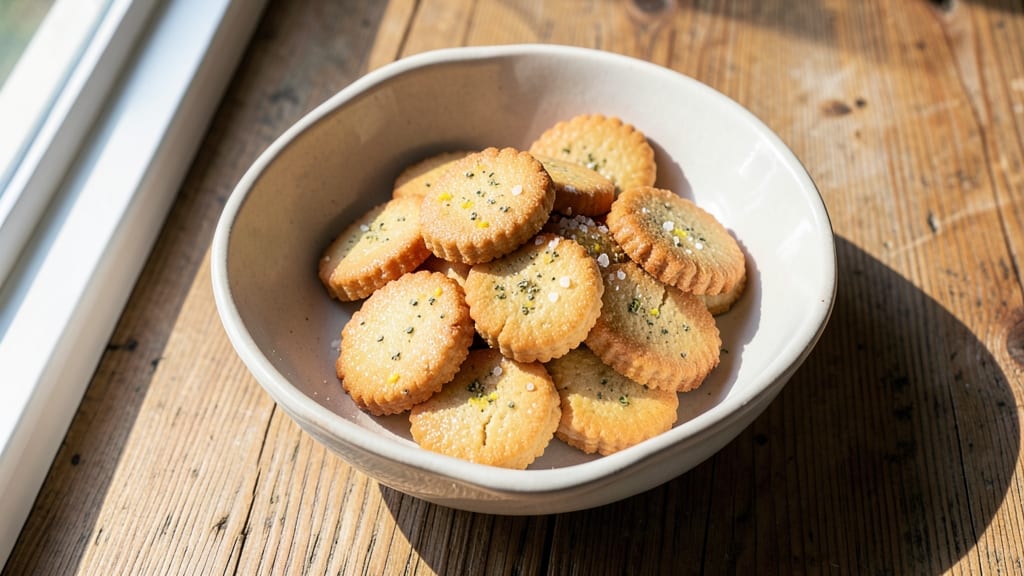
This Alexandra Cooks shortbread recipe delivers the perfect balance of buttery crisp edges and melt-in-your-mouth centers that will have you reaching for the mixing bowl again and again.
The secret lies in using cold butter and precise mixing techniques that create those signature crumbly layers and golden edges that define classic shortbread.
What sets this recipe apart is the attention to detail that transforms simple ingredients—flour, butter, and sugar—into something truly special.
Unlike many modern variations, this version stays true to traditional methods while allowing room for creativity with optional flavor additions like vanilla, citrus zest, or even a touch of salt for enhanced depth.
The result is a batch of shortbread cookies that bake up with a beautiful golden hue and a texture that's simultaneously crisp on the edges and tender in the center.
The aroma alone as they bake will fill your kitchen with warmth, making it impossible to resist pulling them out of the oven just a minute early.
Whether you're baking for a holiday treat, a simple afternoon snack, or a gift for loved ones, this recipe delivers professional-quality results with minimal effort. The key is patience—both in the preparation and the baking—and the reward is cookies that taste like they came from a Parisian pâtisserie.
Ingredients for alexandra cooks shortbread
Simple ingredients masterfully combined for buttery shortbread with signature crisp edges.
| Ingredient | Amount | Notes |
|---|---|---|
| All-Purpose Flour 🌾 | 2 cups | Sifted for even texture |
| Unsalted Butter 🧈 | 1 cup | Cold, cubed, high-fat (82% or higher) |
| Granulated Sugar 🍚 | ¼ cup | Superfine preferred for smoothness |
| Fine Sea Salt 🧂 | ¼ tsp | Diamond Crystal preferred |
| Pure Vanilla Extract 🌿 | 1 tsp | Optional for subtle flavor |
| Lemon Zest 🍋 | 1 tbsp | Optional for bright citrus note |
| Ground Cardamom 🌶️ | ¼ tsp | Optional for warm spice |
The butter is non-negotiable here—European-style butter with 82% fat content creates that signature melt-in-your-mouth center. Grab a block from Whole Foods or King Arthur Flour if you can, but any good-quality unsalted butter works. Keep it cold until mixing—cut into cubes and refrigerate for 30 minutes before using. The flour should be all-purpose, not cake flour, for the proper crumbly texture. Sift it first to avoid dense cookies. For the sugar, superfine works best, but pulse regular granulated sugar in a food processor if you're in a pinch.
No vanilla? Almond extract at half the amount works beautifully. Short on zest? Orange zest is a perfect substitute. The cardamom is truly optional, but if you love spiced shortbread, it's worth the extra quarter teaspoon. For salt, Diamond Crystal kosher saltcold but workable—not rock-hard or greasy. If it's too soft, chill your mixing bowl and tools for 10 minutes before starting.
Shortbread keeps best in an airtight container at room temperature for 5-7 days3 months. The aroma alone as they bake will fill your kitchen—resist the urge to open the oven early. These cookies reheat beautifully; simply warm in a 200°F oven for 5-10 minutes to restore their crisp edges. Portion into 16 equal rectangles for perfect individual cookies.
Why You'll Love This Recipe
- No-Fuss Magic: I swear, this recipe is the kind of thing that makes baking feel like a victory. Just mix butter, sugar, and flour—no rolling pins, no fuss—then bake until golden. That’s it. Even if I’m in a rush, I still end up with shortbread so tender it practically melts.
- Butter-Sugar Bliss: The moment you take a bite, you’ll understand why this is my go-to. Cold butter and just enough sugar create that perfect crumbly-yet-rich texture, while a whisper of vanilla makes it feel special without trying too hard. It’s the kind of flavor that sticks with you.
- Party in a Box: Between us, this shortbread is my secret weapon for holidays, gifts, or just because. Cut into squares, pack in tins, or break into chunks—it’s always a hit. Honestly, I’ve given it away as a hostess gift, and no one’s ever asked for the recipe.
- Pantry Staple Power: Three ingredients you already own (butter, sugar, flour) make this budget-friendly and always on hand. Plus, it keeps for weeks in an airtight container, so I’m never scrambling for a last-minute treat. That’s my kind of reliable.
Step-by-step instructions for Alexandra Cooks shortbread recipe
Here's the method for achieving that signature buttery texture with perfect crisp edges.
Prepare the Dough with Cold Ingredients
In a large mixing bowl, combine the 2 cups All-Purpose Flour with the 0.25 cup Granulated Sugar, 0.25 tsp Fine Sea Salt, 0.25 tsp Ground Cardamom, and 1 tbsp Lemon Zest. Whisk gently to distribute the dry ingredients evenly. This ensures consistent flavor throughout each bite.
Cut the 1 cup Unsalted Butter into ½-inch cubes and add them to the flour mixture. Using a pastry cutter or your fingers, work the butter into the flour until the mixture resembles coarse crumbs with pea-sized butter pieces remaining. The butter should be cold but workable—if it feels too soft, chill the bowl for 10 minutes before proceeding. This cold butter creates the signature flaky layers and crisp edges.
Mix in Wet Ingredients and Form the Dough
Add the 1 tsp Pure Vanilla Extract to the flour-butter mixture and gently stir with a wooden spoon until just combined. Avoid overmixing—you want to preserve the texture created by the cold butter. The dough should look shaggy and uneven at this stage.
Press the dough together with your hands, using just enough pressure to form a rough ball. If it feels too dry and crumbly, add 1-2 teaspoons of ice water to help bind it. The dough should hold together when pressed but still feel cool to the touch. Wrap it tightly in plastic wrap and refrigerate for at least 1 hour or up to 2 days. This resting period firms up the butter and makes the shortbread easier to handle and cut.
Roll and Cut for Perfect Shapes
Preheat your oven to 325°F and line two baking sheets with parchment paper. On a lightly floured surface, roll out the chilled dough to a thickness of ¼ inch. Use a ruler to ensure even thickness—this guarantees consistent baking and crisp edges. Cut the dough into your desired shapes using a fluted shortbread cutter or a knife for classic rectangles.
Place the cut shortbread pieces on the prepared baking sheets, spacing them about ½ inch apart. They won't spread much during baking, so you can arrange them closely. For extra crisp edges, I like to gently press the edges with my fingers to create a slightly thicker border. This creates that signature contrast between crispy edges and tender centers.
Bake to Golden Perfection
Bake the shortbread for 20-25 minutes until the edges are deep golden brown and the centers are just beginning to turn pale golden. The shortbread should feel firm to the touch but not hard. Rotate the pans halfway through baking for even heat distribution. Avoid opening the oven door during baking—this causes the shortbread to sink and lose its crisp edges.
Remove the baking sheets from the oven and let the shortbread cool on the pans for 5 minutes before transferring to a wire rack to cool completely. The shortbread will firm up as it cools, developing that perfect texture. Once fully cooled, they'll keep in an airtight container for up to 1 week or frozen for up to 3 months.
Pro Tips For Making Alexandra Cooks Shortbread
- Use Cold Butter, Not Soft: I learned this the hard way—when butter gets too warm, the dough turns greasy and spreads like a pancake. Keep that butter chilled until the very last second, even if it means scraping it straight from the fridge. The texture stays firm, and your shortbread won’t turn into a sad, flat puddle.
- Cut Butter into Flour Like You Mean It: This isn’t the prettiest method, but it’s the tastiest. Use a pastry cutter or two knives to chop the cold butter into the flour until it resembles coarse cornmeal—no tiny pea-sized bits. That extra surface area means more flavor and a crumbly texture. (Yes, it takes effort, but your shortbread will thank you.)
- Weigh Your Flour—Don’t Scoop: Scooping flour from the bag packs it down, and packed flour = dense shortbread. Use a kitchen scale and spoon the flour into the measuring cup, then level it off. A difference of just 10 grams can make your shortbread either tender or tough. (I know, I know—it’s a pain, but it makes a real difference.)
- Press Dough Once, Gently: Resist the urge to overwork the dough or press it more than necessary. After shaping, give it one firm press into the pan—no more. Overhandling develops gluten, and your shortbread will turn out cakey instead of melt-in-your-mouth. Keep it simple, and it’ll stay perfect.
Serving suggestions for this dish
Classic Tea Pairings
Shortbread's buttery richness pairs beautifully with Earl Grey tea—the bergamot notes cut through the fat while complementing the vanilla. I always keep a box of Harney & Sons loose-leaf Earl Grey on hand for this purpose.
For a lighter option, Darjeeling first flush offers floral brightness that contrasts perfectly with the shortbread's density. 🍵
Creamy Coffee Companions
Warm cappuccino with a splash of vanilla syrup enhances the shortbread's flavor profile without overpowering it. I recommend using whole milk for a creamy texture that pairs exceptionally well. For a richer option, try espresso with a sprinkle of cocoa powder—the bitterness balances the sweetness beautifully.
Fruit-Based Contrasts
Fresh strawberries or raspberries add a bright, acidic contrast to the buttery shortbread. I like to serve them with a drizzle of honey and a pinch of flaky sea salt to enhance both flavors.
For a more decadent option, blackberries with a dollop of whipped cream create a luxurious dessert combination.
Chocolate Dipping Options
Melted dark chocolate (70% cocoa) for dipping adds a sophisticated touch. I prefer Valrhona Guanaja for its rich, slightly smoky flavor. For a sweeter option, white chocolate with a hint of orange zest complements the shortbread's vanilla notes beautifully. Dip just the edges for an elegant presentation.
Seasonal Serving Ideas
In summer, serve shortbread with fresh peaches and a sprinkle of mint for a refreshing contrast. During winter, pair with spiced cider and candied pecans for a cozy holiday treat. The warm spices in the cider enhance the shortbread's vanilla and cardamom flavors beautifully. 🍂
Gift-Wrapping Presentation
For gifting, arrange shortbread on a wooden board with a linen napkin and a small jar of local honey. Add a twine bow for a rustic touch.
I like to include a handwritten note with the recipe for a personal touch. This presentation makes it feel like a luxury treat from a Parisian pâtisserie.
Nutrition facts
Frequently asked questions
Why does Alexandra Cooks' shortbread need cold butter?
The cold butter is essential for creating those signature crisp edges and melt-in-your-mouth centers. When cold, the butter stays in solid pieces during mixing, creating flaky layers that bake into crispy edges while keeping the center tender. If your butter gets too soft, chill your mixing bowl for 10 minutes before proceeding. This technique is what makes traditional shortbread so special!
Can I make this shortbread without vanilla?
While vanilla adds a lovely aroma, you can easily substitute with ½ teaspoon almond extract or skip it entirely for a more neutral flavor. For a different twist, try 1 teaspoon orange zest instead—it pairs beautifully with the buttery richness. The recipe will still turn out delicious without it!
How do I prevent my shortbread from spreading too much?
To maintain perfect shapes, keep your dough chilled until rolling and cut it to ¼-inch thickness using a ruler for consistency. Press the edges slightly thicker before baking to create those crisp borders. Also, avoid overmixing the dough—just combine until shaggy. These small details make all the difference for classic shortbread texture!
Can I use this dough for anything other than cookies?
This versatile dough works perfectly for shortbread slices, thumbprints (add jam centers), or even as a crust for cheesecakes! For thumbprints, press the dough into small rings, add a spoonful of jam, and bake as directed. The same dough can also be rolled out and cut into decorative shapes for festive occasions. Get creative with your shapes!
Why does the recipe call for refrigerating the dough?
The 1-hour chill is crucial for two reasons: it firms up the butter so it holds its shape when cutting, and it prevents the cookies from spreading too much in the oven. This resting period also allows the flour to fully hydrate, resulting in a more tender texture. Don't skip this step—it's what makes the difference between good shortbread and exceptional shortbread!