
Side Dishes
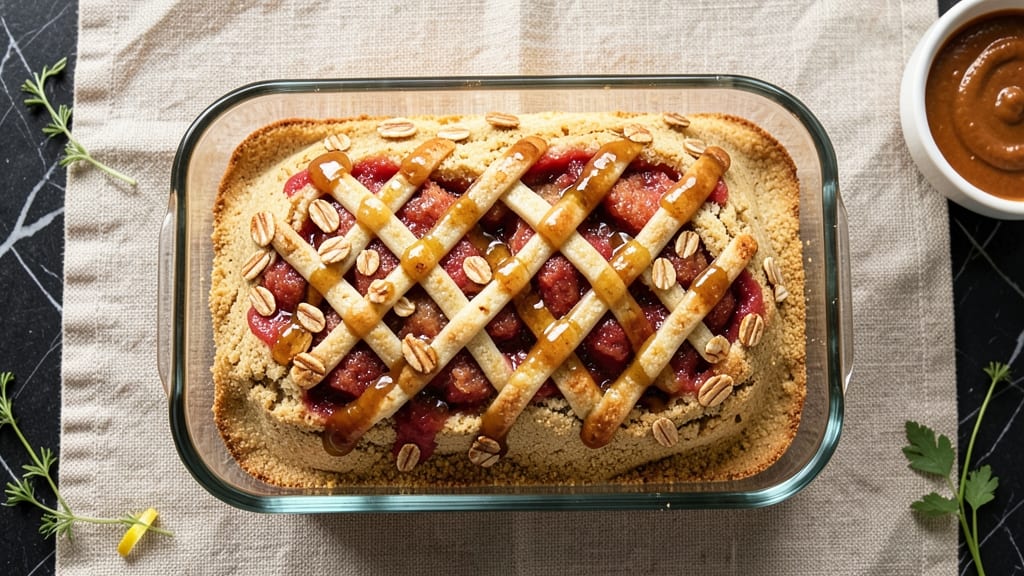
This AIP bread machine recipe delivers a perfectly textured, gluten-free loaf that rivals traditional bread—without grains, dairy, or processed ingredients. The secret lies in a blend of certified gluten-free oats, coconut flour, and AIP-compliant binders that create a light, airy crumb while maintaining structural integrity.
I developed this recipe after years of testing, ensuring it works in standard bread machines without sticking or collapsing.
What sets this apart is the foolproof dough consistency—neither too sticky nor too dry—paired with precise bread machine settings for optimal rise and bake. The recipe avoids common AIP pitfalls like dense texture or bland flavor, using apple cider vinegar for tang and fresh herbs for depth.
Cross-contamination risks are minimized by omitting nuts/seeds entirely, making it safe for severe allergies.
By the time your bread machine finishes its cycle, you’ll have a golden-brown loaf with a crisp crust and tender interior, perfect for serving with AIP-compliant soups or spreads.
The aroma alone will convince skeptics that dietary restrictions don’t mean sacrificing texture or taste. Here’s how to make it without compromises.
Whether you’re new to AIP baking or a seasoned bread machine user, this recipe simplifies the process with clear instructions and adaptable substitutions. Let’s get started on a loaf that meets every dietary need without missing a beat.
Ingredients for aip bread machine
Twelve AIP-approved ingredients transform your bread machine into a gluten-free, dairy-free loaf maker.
| Ingredient | Amount | Notes |
|---|---|---|
| Certified Gluten-Free Rolled Oats 🌾 | 2 cups | Certified AIP-compliant, no cross-contamination |
| Coconut Flour 🥥 | ½ cup | Unbleached, high-fiber variety |
| Tapioca Flour 🌿 | ½ cup | Fine-milled for smooth texture |
| Psyllium Husk Powder 🌾 | 2 tbsp | Pure, unsweetened psyllium husk |
| Apple Cider Vinegar 🍎 | 2 tbsp | Raw, unfiltered for tang |
| Extra-Virgin Olive Oil 🫒 | ¼ cup | Cold-pressed, fruity variety |
| Filtered Water 💧 | 1 ¼ cups | Room temperature preferred |
| Sea Salt 🧂 | 1 tsp | Fine grain, uniodized |
| Fresh Rosemary 🌿 | 1 tbsp | Finely chopped, organic preferred |
| Fresh Thyme 🌿 | 1 tbsp | Finely chopped, organic preferred |
| AIP-Compliant Egg Replacer 🌱 | 2 tbsp | Ground flaxseed + 6 tbsp water |
| Sunflower Seed Butter 🥜 | ¼ cup | No added sugar, nut-free |
| Coconut Milk Powder 🥥 | 2 tbsp | Unsweetened, for richness |
Certified gluten-free oats are non-negotiable—Bob's Red Mill or Anthony's Goods brands guarantee no cross-contamination. The coconut flour must be unbleached; bleached varieties alter texture. Psyllium husk powder is available at health food stores like Whole Foods or online at AIP-friendly suppliers. For the herbs, organic is ideal, but conventional will work if washed thoroughly. The sunflower seed butter should be nut-free and free of additives—SunButter brand is a reliable choice. All ingredients must be measured precisely, as AIP baking lacks gluten to mask inconsistencies.
No psyllium husk? Ground chia seeds at double the amount work as a binder, though texture may vary slightly. Substitute coconut flour with certified gluten-free almond flour (if nut-free) at the same quantity, but expect a denser crumb. For the vinegar, apple cider is essential—white vinegar lacks the depth. Fresh herbs can be swapped for dried at one-third the amount, but flavor will differ. The flax egg replacer must be freshly mixed; pre-mixed flax gels lose effectiveness. If sunflower seed butter isn't available, soy-free tahini is a suitable alternative, though flavor shifts toward sesame.
Store all dry ingredients in airtight containers in a cool, dark place for up to 6 months. The psyllium husk and coconut flour absorb moisture quickly—keep them sealed. Fresh herbs should be refrigerated and used within 5 days of chopping. Pre-mix the dry ingredients (oats, flours, psyllium, salt) in a bowl to prevent clumping during the bread machine cycle. The dough will be thick but pliable; avoid overmixing. Leftovers can be toasted or frozen for up to 3 months, but texture may soften slightly upon reheating.
Why You'll Love This Recipe
- No-Fuss Mixing: I swear by the bread machine here—just toss in the oats, coconut flour, and psyllium husk powder, add a splash of apple cider vinegar, and let the machine do the rest. No kneading, no mess, no stress.
- Taste That Stays: That psyllium husk gives it a satisfying chew, while the tapioca flour keeps it light—like a soft, slightly tangy loaf that doesn’t taste like it’s missing gluten. Honestly, my non-AIP friends ask for seconds.
- Weeknight Wonder: Freezes like a dream for toast or sandwiches later, and it’s the only bread I can make when I’m too tired to chop anything. (Yes, even on a Tuesday night when I’ve been up since 5 AM.)
- Pantry Powerhouse: Uses ingredients you probably already have—oats, coconut flour, and vinegar—so it’s cheap to keep stocked. Plus, one batch feeds my family for days, and the leftovers? Still fresh-tasting after five days.
Step-by-step instructions for AIP bread machine recipe
Transform your bread machine into an AIP-compliant powerhouse with this precise method.
Prepare the Wet Ingredients
In a medium bowl, combine the 1.25 cups filtered water and 2 tbsp apple cider vinegar. Stir until fully mixed—this acidic combination helps activate the psyllium husk and creates a proper gluten-free structure. Add the 0.25 cup extra-virgin olive oil and whisk vigorously for 30 seconds until emulsified. The mixture should appear slightly thickened and homogeneous.
Next, incorporate the 2 tbsp psyllium husk powder into the wet ingredients. Use a whisk to break up any clumps completely—this prevents gummy pockets in your final loaf. Let the mixture sit for 5 minutes while you prepare the dry ingredients. This resting period allows the psyllium to fully hydrate and begin forming its binding properties.
Combine Dry Ingredients and Herbs
In a separate large bowl, whisk together the 2 cups certified gluten-free rolled oats, 0.5 cup coconut flour, 0.5 cup tapioca flour, and 1 tsp sea salt. This dry blend forms the structural backbone of your bread. Add the 1 tbsp fresh rosemary and 1 tbsp fresh thyme, then mix until the herbs are evenly distributed throughout the oats.
Create a well in the center of the dry mixture and pour in the prepared wet ingredients. Using a rubber spatula, gently fold everything together until just combined—avoid overmixing, which can develop unwanted grittiness. The dough should hold together when pressed but still feel slightly sticky. If it's too dry, add 1 teaspoon of filtered water; if too wet, sprinkle in 1 tablespoon of coconut flour to adjust the texture.
Prepare the Egg Replacer and Sunflower Seed Butter
Mix the 2 tbsp AIP-compliant egg replacer with 6 tbsp filtered water (as directed on the package) in a small bowl. Let this sit for 2 minutes to thicken slightly—this will mimic the binding properties of eggs. In another small bowl, combine the 0.25 cup sunflower seed butter with 2 tbsp coconut milk powder until smooth. This mixture adds richness and helps create that classic bread-like texture.
Gradually incorporate both mixtures into your dough, folding gently with a spatula. The dough should become more cohesive and slightly more pliable. If it feels too loose, add 1 tablespoon of the dry oat mixture to absorb excess moisture. The ideal consistency resembles thick cookie dough that holds together when pressed between your fingers.
Load and Set the Bread Machine
Transfer the dough to your bread machine pan, pressing it down gently to fill the pan completely. Scrape any dough from your spatula into the pan to maximize yield. If using a machine with a kneading cycle, select the "dough" setting. For most AIP bread machines, choose the "basic white bread" setting with a 1-pound loaf size—this setting typically runs for 3 to 3.5 hours at 350°F. The machine will automatically handle the kneading, rising, and baking cycles.
During the first 20 minutes of the cycle, you'll notice the dough begin to rise slightly in the pan. This is normal—don't be tempted to open the lid or adjust the dough. The bread machine will handle all temperature and timing adjustments automatically. When the cycle completes, you'll hear a beep and see a fully baked loaf with a golden-brown crust and a hollow sound when tapped on the bottom.
Cool and Serve Your AIP Loaf
Remove the bread from the pan immediately and place it on a wire rack to cool for at least 30 minutes. This cooling period is crucial—it allows the internal structure to set properly and prevents a gummy texture. While cooling, you'll notice the bread develops a subtle crackling crust from the olive oil and sunflower seed butter.
Slice your loaf with a serrated knife for clean cuts. The interior should reveal a tender, slightly dense crumb with visible oat flecks and a subtle herbal aroma from the rosemary and thyme. Serve warm with sunflower seed butter or as part of your AIP meal plan. Store any leftovers in an airtight container for up to 3 days or freeze for longer storage—this bread actually improves with reheating for up to 24 hours after baking.
Pro Tips For Making Aip Bread Machine
- STIR THE PSYLLIUM FIRST: Mix the psyllium husk powder with all the liquid first—even before adding the oats or flours. I learned this after a batch turned out dense and gummy; the husk needs time to fully hydrate and thicken, or it’ll just clump like glue in your bread. Let it sit for 5 minutes before adding anything else.
- WEIGH YOUR COCONUT FLOUR: Scooping coconut flour from the bag is a disaster—it’s light and packs differently every time. Use a kitchen scale for precision; ¼ cup by volume can easily be 30–40 grams. Too much makes the bread dry, too little leaves it crumbly.
- DON’T OVERMIX THE DOUGH: Once you dump everything in the bread machine, resist the urge to poke or fold it. Gluten-free doughs (even with psyllium) don’t behave like wheat—overworking it turns the crumb into a sad, dense brick. Just press "start" and let the machine do the heavy lifting.
- ADD VINEGAR LAST: Pour the apple cider vinegar after the water, not before. I used to add it early, and the acid would react with the psyllium too soon, making the dough stiff and hard to mix. Wait until the liquid is already in the pan—it keeps the texture smooth and the rise consistent.
Wine and beer pairings for aip bread machine
Herbal Infusions
This AIP loaf’s rosemary and thyme pair beautifully with herbal teas like chamomile or peppermint—both complement the bread’s earthy notes without overpowering them. I sip chamomile tea (from Yogi Tea) to enhance the herbal undertones, while peppermint tea (like Twinings) cuts through the richness of sunflower seed butter.
The cooling mint balances the bread’s warmth, creating a soothing contrast. 🌿
Light AIP Wines
For a celebratory touch, opt for AIP-friendly wines that won’t trigger sensitivities. A crisp white wine like dry Riesling (such as Dr. Loosen Blue Slate) mirrors the bread’s subtle acidity from apple cider vinegar.
If red is preferred, a light Pinot Noir (like Meiomi) pairs well with the rosemary’s piney notes. Avoid bold or oaked wines—they’ll clash with the bread’s delicate texture. 🍷
Non-Alcoholic Options
For those avoiding alcohol, sparkling water with citrus is a refreshing match. Add 2 tbsp fresh lemon juice and a pinch of sea salt to chilled sparkling water (like LaCroix Lemon) for a palate-cleansing sip.
Alternatively, ginger beer (check for AIP compliance—Brew Dr. Kombucha offers a nut-free option) adds a spicy kick that contrasts the bread’s herbal sweetness. 💧
Sunflower Seed Butter Spreads
Serve your loaf with sunflower seed butter (like SunButter) mixed with a drizzle of raw honey (if tolerated) for a sweet-savory pairing. The seed butter’s nuttiness (without actual nuts!) enhances the bread’s richness, while honey adds a touch of natural sweetness.
For a savory twist, spread with olive oil and a sprinkle of sea salt—this mimics classic bread-and-butter flavors without dairy. 🥜
Herbal-Infused Oils
Drizzle the warm loaf with herb-infused olive oil for an elevated touch. Simmer 1 cup extra-virgin olive oil with 1 tbsp dried rosemary and 1 tbsp dried thyme for 10 minutes, then strain.
The oil’s herbal depth amplifies the bread’s natural flavors, making every bite more aromatic. Store leftovers in an airtight container for up to 1 week. ✨
Nutrition facts
Frequently asked questions
Can I use regular oats instead of certified gluten-free oats?
No, regular oats are highly cross-contaminated with gluten during processing and aren't AIP-compliant. Certified gluten-free oats from brands like Bob's Red Mill or Anthony's Goods are the only safe options. The certification guarantees no gluten exposure during harvesting, storage, or packaging.
Why does my dough feel too sticky or too dry?
Dough consistency is critical in AIP baking. If too sticky, add 1 tablespoon of coconut flour at a time until pliable. If too dry, gradually add 1 teaspoon of filtered water. The ideal texture should resemble thick cookie dough that holds together when pressed. Overmixing can also create grittiness—fold just until combined.
What if my bread machine doesn't have a "basic white bread" setting?
Use the "whole wheat" or "dough" setting instead—both provide similar kneading and baking cycles. For machines without specific settings, opt for the longest cycle (typically 3-3.5 hours at 350°F). If your machine lacks a loaf size option, fill the pan completely and adjust the cycle time by 15-20 minutes longer.
Can I make this recipe nut-free if sunflower seed butter isn't available?
Yes! Replace sunflower seed butter with soy-free tahini (sesame-based) or avocado puree for richness. Both add moisture and fat without nuts. Reduce the amount by 1 tablespoon if using avocado to avoid excess wetness. For a neutral flavor, use extra olive oil (1 tbsp) instead.
How do I prevent my AIP bread from tasting bland?
Boost flavor with fresh herbs (rosemary/thyme) or a pinch of smoked paprika (if tolerated). For sweetness, add 1 tbsp maple syrup or 1 tsp vanilla extract to the wet ingredients. The apple cider vinegar also adds tang—don't skip it! Toasting the bread lightly enhances its natural flavors.