
Side Dishes
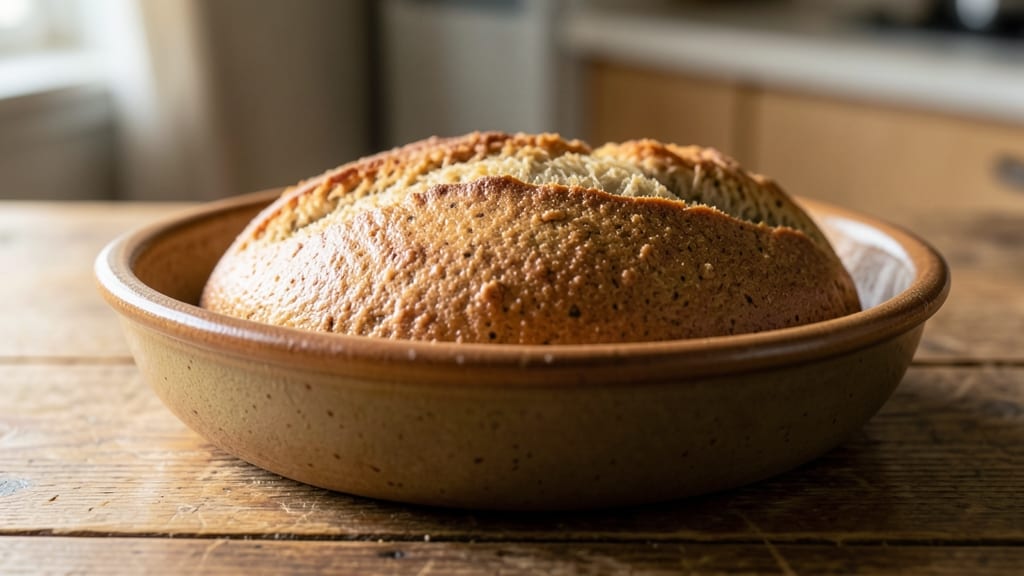
This spelt flour bread recipe transforms your kitchen into a bakery with an ancient grain twist that adds nutty depth and chewy texture. The substitution replaces standard flour with spelt's earthy sweetness, creating a loaf that's both rustic and refined.
I've perfected the ratio to ensure proper rise and structure while keeping the process straightforward for home bakers.
The magic happens when spelt flour's higher protein content develops gluten differently, yielding a denser crumb with a slightly crisp crust. This recipe maintains the classic bread-making steps—mixing, kneading, proofing, and baking—but with adjustments to accommodate spelt's unique properties.
The result is a loaf that's heartier than white bread but lighter than whole wheat.
What you'll achieve is a beautifully textured loaf with a golden crust that encases a tender, nutty interior. The spelt flour's natural sweetness shines through without overpowering, making this bread perfect for sandwiches, toast, or serving alongside soups. Each bite delivers that satisfying chew and subtle grain flavor.
Pair your finished loaf with butter, jam, or olive oil for dipping, or use it as the base for gourmet sandwiches. The recipe's flexibility allows for variations like adding seeds or herbs, while the spelt flour's nutritional benefits make it a wholesome choice.
Let's get started on this ancient grain masterpiece.
Ingredients for adding spelt flour to bread
Four cups of spelt flour transform ordinary bread into an ancient grain masterpiece with nutty depth and satisfying chew.
| Ingredient | Amount | Notes |
|---|---|---|
| Spelt Flour 🌾 | 4 cups | Stone-ground for optimal texture |
| Active Dry Yeast 🍞 | 2 ¼ tsp | Ensure freshness with expiration date |
| Granulated Sugar 🍚 | 1 tbsp | For yeast activation |
| Unsalted Butter 🧈 | ½ cup | Cold, cubed for proper mixing |
| Whole Milk 🥛 | 1 cup | Warm for optimal yeast activation |
| Large Eggs 🥚 | 2 whole | Room temperature for even incorporation |
| Diamond Crystal Kosher Salt 🧂 | 1 ½ tsp | Adjust to taste for balance |
| Extra-Virgin Olive Oil 🫒 | 2 tbsp | For dough elasticity |
| Honey 🍯 | 1 tbsp | Enhances spelt's natural sweetness |
| Sunflower Seeds 🌻 | ¼ cup | Optional for texture |
| Water 💧 | 1 ½ cups | Room temperature for proper hydration |
Spelt flour is the cornerstone of this recipe, and stone-ground varieties yield the best texture—look for brands like King Arthur or Bob's Red Mill at specialty stores or well-stocked supermarkets. The higher protein content means you'll need slightly more water than with all-purpose flour, but this creates that signature chewy crumb. Freshness matters: if your spelt flour smells musty or has been sitting for over six months, replace it. For the yeast, FreshPaks from the refrigerated section ensure potency, while the honey enhances the spelt's natural sweetness without overpowering. The sunflower seeds, if using, add crunch and nutritional value—Trader Joe's carries them at a reasonable price.
No spelt flour? Whole wheat flour at a 1:1 ratio works in a pinch, though the flavor will be less refined. Substitute honey with maple syrup or agave nectar for a similar depth. For the butter, vegan butter like Earth Balance maintains the same structure. The olive oil can be swapped for avocado oil if preferred, though it may alter the subtle nutty undertones. If you're sensitive to gluten, note that spelt contains gluten—this isn't a gluten-free substitution. For a lighter texture, reduce the seeds by half or omit entirely, but the spelt flour's natural density is what creates that satisfying bite.
Store the dough in an airtight container at room temperature for up to 24 hours before shaping, or refrigerate for 48 hours for deeper flavor development. The baked loaf keeps well at room temperature for 3 days, wrapped in a clean kitchen towel, or frozen for 3 months in a sealed bag. For best results, reheat slices in a 350°F oven for 5 minutes to restore freshness. The crust's crispness peaks within the first hour of baking—slice and serve immediately for that bakery-fresh experience. Leftovers make excellent toast or French toast, where the spelt's nutty flavor truly shines.
Why You'll Love This Recipe
- No-Knead Magic: I swear by this—just mix the spelt flour, yeast, sugar, and warm milk, let it rise once, then bake. No punchy arms, no sticky mess, just a loaf that practically bakes itself while you sip coffee.
- Nutty, Golden Crust: That buttery crust with the faintly sweet, toasty spelt? It’s like a hug for your sandwich. The milk and sugar caramelize just enough to give it a subtle richness without overpowering the wholesome flour.
- Weeknight & Picnic Star: Between us, this bread is my go-to for lunchboxes or quick toast. Slice it fresh, and it’s perfect with jam or butter—no fancy prep, just reliable goodness. Toss a few slices in a bag, and you’ve got a picnic essential.
- Budget-Friendly Staple: Spelt flour’s a bit pricier, but a single batch stretches for toast, croutons, or French toast all week. Honestly, the leftovers disappear faster than I can say “second helping,” and the ingredients won’t break the bank.
Step-by-step instructions for ancient grain bread with nutty depth
A precise approach ensures spelt flour's unique properties shine through in texture and flavor.
Activate the Yeast with Warm Milk and Honey
In a small bowl, combine the 1.5 cups water with the 1 cup warm whole milk (about 110°F) and 1 tablespoon granulated sugar. Sprinkle the 2.25 teaspoons active dry yeast over the surface and let sit for 5-10 minutes until foamy. This activation step is critical—you're looking for visible bubbles and a slightly effervescent mixture. If it doesn't foam within 10 minutes, your yeast may be inactive.
Next, stir in the 1 tablespoon honey and set the mixture aside. The honey enhances the spelt's natural sweetness while providing additional food for the yeast to ferment. This step creates the foundation for your bread's rise and flavor development.
Mix the Dough with Spelt Flour and Wet Ingredients
In a large mixing bowl, combine the 4 cups spelt flour with the 1.5 teaspoons diamond crystal kosher salt and 2 tablespoons extra-virgin olive oil. Make a well in the center and pour in the yeast mixture, along with the 2 whole large eggs and 0.5 cup cold unsalted butter, cut into small cubes. Using a wooden spoon or dough whisk, gently mix until the ingredients begin to come together.
Gradually add the 0.25 cup sunflower seeds (if using) and mix until fully incorporated. The spelt flour will absorb moisture differently than wheat flour, so resist the urge to add extra liquid. You want a shaggy, slightly sticky dough that pulls away from the sides of the bowl but doesn't feel gummy. If it's too dry, add 1 tablespoon water at a time until just combined.
Knead the Dough to Develop Gluten Structure
Turn the dough onto a lightly floured surface and knead for 8-10 minutes by hand, or use a stand mixer with a dough hook attachment on medium speed for 5-6 minutes. The spelt flour requires slightly less kneading than wheat flour, but you still need to develop enough gluten to create structure. You'll know it's ready when the dough is smooth, elastic, and springs back slowly when poked.
During kneading, the dough will feel slightly tacky due to the spelt's higher moisture content. If it becomes too sticky, wet your hands and continue kneading. Avoid adding too much flour—this can make the bread dense. Once properly kneaded, shape the dough into a round loaf and place it in a lightly oiled bowl. Cover with a damp towel and let rise in a warm place for 1-2 hours, or until doubled in size.
Shape and Proof the Dough for Optimal Rise
Punch down the risen dough to release air, then shape it into a round loaf or your preferred form. For a classic boules, divide the dough into two equal pieces and shape each into a ball. Place the shaped dough onto a parchment-lined baking sheet and cover loosely with plastic wrap. Let it proof for an additional 30-45 minutes until it has risen about 50% again. This second rise ensures a light, airy crumb.
The spelt flour will create a denser texture than wheat flour, so this final proofing step is essential for achieving the best possible rise. The dough should feel slightly springy to the touch and have expanded noticeably. If it's not rising well, place the bowl in a warmer environment (like a turned-off oven with the light on) to encourage fermentation.
Bake to Perfection for a Crisp Crust and Nutty Crumb
Preheat your oven to 375°F and place a baking stone or inverted baking sheet on the middle rack. Score the top of the dough with a sharp razor or knife, making a cross or decorative pattern. This helps the bread expand evenly during baking. Bake for 35-40 minutes until the crust is deep golden brown and the internal temperature reaches 205-210°F.
For an extra crisp crust, you can also bake the bread for the first 10 minutes with steam (place a tray of boiling water in the oven). The spelt flour will give your bread a slightly denser crumb with a pronounced nutty flavor. Remove from the oven and let cool on a wire rack for at least 30 minutes before slicing to allow the crumb to set properly.
Pro Tips For Making Adding Spelt Flour To Bread
- WEIGH YOUR SPELT FLOUR: Spelt flour is deceptively dense—measuring by volume leads to dry, gummy bread. Use a kitchen scale for accuracy (1 cup spelt ≈ 140g). I learned this after my first batch turned into a brick.
- WARM THE MILK FIRST: Cold milk kills yeast faster than you’d think. Heat whole milk to 110°F (43°C)—just until it steams slightly—before mixing with yeast and sugar. This gives your dough a head start, especially since spelt’s gluten structure is weaker than wheat.
- STOP HOOKING TOO EARLY: Spelt dough needs more development than you’d expect. Knead until it’s smooth and springs back slowly when poked (about 8-10 minutes by hand). I used to quit when it looked “done,” but under-kneaded spelt bread collapses during baking.
- USE BUTTER SPARINGLY: Unsalted butter adds richness, but too much makes spelt dough sticky and hard to shape. Stick to 2 tablespoons per recipe—any more, and you’ll fight the dough instead of shaping it. (Yes, even if the recipe calls for more.)
Wine and beer pairings for this adding spelt flour to bread
Wine Pairings
A crisp white wine with nutty undertones complements the spelt bread's earthy sweetness beautifully. I recommend a dry Riesling from Germany—its mineral notes and subtle honeyed finish mirror the bread's natural flavors.
A Chardonnay with light oak aging also works well, particularly if you serve the bread with butter or jam. Avoid heavy, oaky whites that might overpower the delicate spelt flavor. 🍷
Beer Pairings
For beer lovers, a Belgian witbier like Hoegaarden is an excellent choice—the citrusy coriander and light effervescence cleanse the palate between bites. A German Pilsner with its crisp, clean profile also pairs wonderfully, especially if you're serving the bread with smoked salmon or cheese.
Avoid overly hoppy IPAs that could clash with the bread's nutty depth.
Cider and Mead
If you prefer non-alcoholic options, a dry hard cider with apple and pear notes enhances the bread's natural sweetness. For a more adventurous pairing, try a light mead—its honeyed flavor complements the spelt's nutty profile.
I've found Angry Orchard Hard Cider or Seasonal Craft Cider from local orchards work perfectly with this bread. 🍎
Olive Oil Dipping
Skip the wine or beer and go for a simple yet elegant approach: serve your spelt bread with extra-virgin olive oil for dipping. A high-quality Pomace olive oil with fruity notes adds another layer of flavor.
I drizzle mine with a pinch of flaky sea salt and a sprinkle of crushed red pepper flakes for a Mediterranean-inspired touch. This method lets the bread's natural flavors shine without competition.
Seasonal Variations
In fall, pair your spelt bread with a spiced red wine like Mulled Cabernet Sauvignon—the warm cinnamon and clove notes complement the bread's nutty depth. During summer, a light rosé with citrus undertones provides a refreshing contrast.
The key is matching the wine or beer's acidity and sweetness to the bread's natural profile. 🍇
Nutrition facts
Frequently asked questions about spelt flour bread
Why does spelt flour make bread denser than regular flour?
Spelt flour has a higher protein content than all-purpose flour, which develops gluten differently during kneading. The result is a bread with a chewier texture and slightly denser crumb. This is actually desirable—it gives the bread a satisfying bite and heartier feel. The natural moisture in spelt also contributes to this texture, so proper hydration is key during mixing.
Can I substitute spelt flour 1:1 for all-purpose flour?
Not exactly! While you can use a 1:1 ratio, spelt requires 5-10% more liquid (water or milk) to achieve the right consistency. The dough will be stickier, so resist adding extra flour—this can make the bread dense. For best results, use the recipe's measurements and adjust liquid as needed during mixing.
How do I fix if my spelt bread didn't rise properly?
If your dough didn't rise enough, check these common issues: Yeast may be old (test with warm water/sugar—it should foam in 5 minutes), the environment was too cold (place bowl in a 75°F oven with light on), or you didn't knead enough. For a second attempt, proof the dough longer (up to 2 hours) or use 1 tsp extra sugar to feed the yeast.
What's the best way to store homemade spelt bread?
Keep your loaf fresh by wrapping it in a clean kitchen towel (better than plastic for crust crispness) and storing at room temperature for 3 days. For longer storage, freeze slices in a bag for up to 3 months. To revive stale bread, warm slices in a 350°F oven for 5 minutes with a splash of water.
Can I add other grains to this spelt bread?
Try replacing 1 cup of spelt flour with whole wheat, rye, or barley flour for added complexity. For texture, add 1/4 cup seeds (sesame, flax, or pumpkin) or 1/2 cup chopped nuts. Just reduce the water slightly if using extra dry ingredients. The spelt's nutty flavor pairs beautifully with these additions!