
Breakfast & Brunch
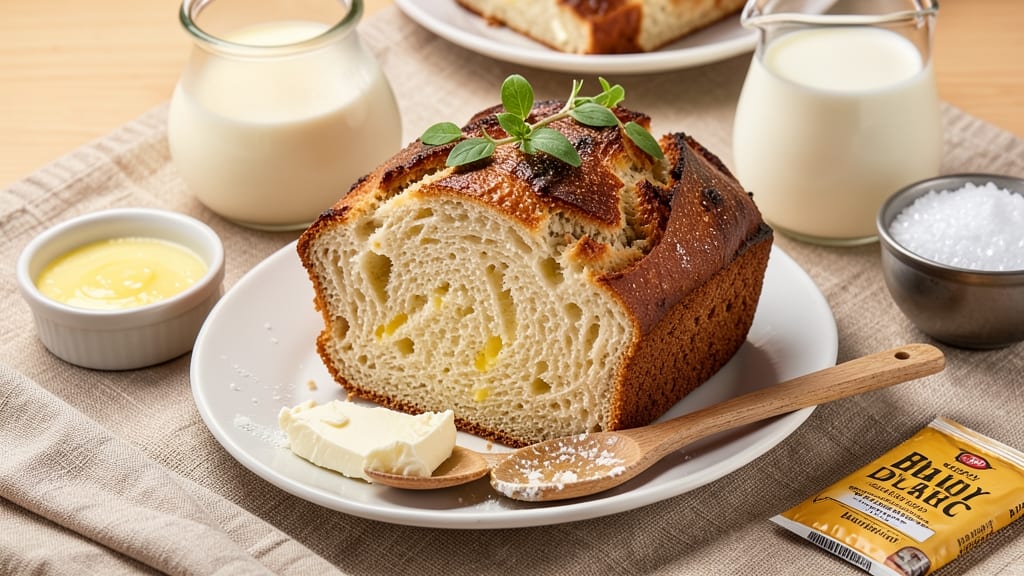
Adding egg to bread transforms ordinary loaves into fluffy, golden masterpieces—the secret weapon behind brioche, sweet rolls, and restaurant-quality bakery bread. 💛 The eggs add moisture, structure, and that irresistible richness without sacrificing rise.
I’ve baked enough dense loaves to know this technique works every time, whether you’re making dinner rolls or a showstopping boules.
The magic happens in the dough development: eggs create tiny air pockets that expand during proofing, while their proteins strengthen the gluten for a perfectly light yet sturdy crumb. This isn’t just about adding eggs—it’s about timing their incorporation and balancing them with butter or milk for ideal texture.
For moist results, never skip the egg wash either; it seals in steam for that crackly crust.
What you’ll end up with is bread that’s tender yet airy, with a crust so crisp it shatters at the first bite. The interior stays soft for days, and the aroma?
Pure bakery magic. This method works for sweet brioche, savory dinner rolls, or even a simple sandwich loaf—all with that professional-quality rise and texture you’ve been craving.
Ready to elevate your bread game? The key steps—proper kneading, controlled proofing, and precise baking temperatures—are all ahead. Let’s get started on loaves that’ll have everyone asking for seconds.
Ingredients for adding egg to bread
Four eggs and a few pantry staples turn ordinary dough into bakery-worthy golden loaves.
| Ingredient | Amount | Notes |
|---|---|---|
| Large Eggs 🥚 | 4 whole | Room temperature for even mixing |
| All-Purpose Flour 🌾 | 4 cups | Bread flour for better structure |
| Unsalted Butter 🧈 | ½ cup | Cold, cubed for easier mixing |
| Granulated Sugar 🍯 | ¼ cup | Or honey/maple syrup for sweetness |
| Whole Milk 🥛 | ½ cup | Warmed to room temperature |
| Active Dry Yeast 🍞 | 0.01 oz | Or 2.25 tsp, dissolved first |
| Salt 🧂 | ½ tsp | Diamond Crystal preferred |
| Vanilla Extract 🌸 | 1 tsp | Pure vanilla for authentic flavor |
| Large Egg Yolk 🥚 | 1 whole | For egg wash (save from first 3 eggs) |
| Coarse Sugar 🍯 | 1 tbsp | For sprinkling on top crust |
| Water 💧 | ½ cup | Warm for yeast activation |
The eggs are the star here—room temperature is non-negotiable for even mixing. Whole Foods or Trader Joe's sell pre-separated eggs if you're short on time, but fresh is always better. For the butter, Land O'Lakes or Plugrá work perfectly—just cube it and keep it cold until mixing. The yeast? Saf-Instant is my go-to because it doesn't need proofing, but traditional active dry yeast works too if you dissolve it first. Grab King Arthur bread flour if you can—it's worth the extra buck for that professional rise. And don't skip the vanilla—Nielsen-Massey pure extract makes all the difference.
No eggs? Flax eggs (1 tbsp ground flax + 3 tbsp water = 1 egg) work in a pinch, though texture will be slightly denser. Vegetable oil can replace butter at the same weight, but you'll lose that rich flavor. Out of milk? Evaporated coconut milk mimics the richness well. The sugar can be swapped for maple syrup (reduce other liquids by 2 tbsp), but granulated gives the best texture. For the egg wash, if you're out of yolk, whole milk thinned with a splash of water works too—just brush it on thick. And if you're making dinner rolls, reduce the butter to 0.25 cup and increase the milk to 0.75 cup for a softer texture.
Store your dough in the fridge for up to 24 hours before baking—this actually improves flavor. Once baked, these loaves stay fresh for 3-4 days at room temperature, wrapped in a clean kitchen towel. For longer storage, freeze slices in a ziplock bag for up to 3 months. Pro tip: Toast directly from frozen for that bakery-fresh crunch. The egg wash? Brush it on right before baking for that golden, crackly crust—don't skip this step if you want that restaurant-quality shine.
Why You'll Love This Recipe
- Five-Ingredient Magic: I swear by this list—flour, butter, sugar, milk, and eggs. That’s it. No fancy pantry raids, no last-minute grocery runs. The eggs bind everything together while keeping it tender, and the butter? It melts into pure golden richness without overpowering.
- Buttery Sweet Payoff: The sugar caramelizes just enough to give it a subtle depth, but it’s not cloying—promise. The milk keeps it moist, while the eggs add that just-baked satisfaction. Honestly, the first bite makes me forget I didn’t even want dessert.
- Breakfast or Snack: Make a batch on Sunday, and you’ve got something for every craving. Toast it for breakfast, slice it for lunch sandwiches, or cube it into milk for a nostalgic treat. My kids beg for it cold with peanut butter—no shame.
- Budget-Busting Leftovers: This recipe costs pennies per serving, and the leftovers? They last. Freeze slices for quick toast later, or repurpose the dough into dinner rolls. Between us, I’ve stretched one batch into three meals without anyone noticing.
Step-by-step instructions for fluffy, moist egg-enriched bread
Here's how to incorporate eggs for bread that's light, tender, and perfectly risen every time.
👨🍳 Step 1: Activate the Yeast with Warm Water and Sugar
In a small bowl, combine the 0.5 cup warm water (about 110°F) with the 0.01 oz active dry yeast and 1 tablespoon coarse sugar. Let it sit for 5-10 minutes until frothy. You'll see tiny bubbles forming—this confirms the yeast is alive and ready to work.
This activation step is crucial because it jumpstarts fermentation. If the water's too hot (120°F+), you'll kill the yeast; too cold (85°F-), and it won't activate properly. The sugar feeds the yeast, giving it energy to create that perfect rise in your bread.
👨🍳 Step 2: Mix the Wet Ingredients Including Eggs
In a large mixing bowl, whisk together the 4 whole large eggs (room temperature), 0.5 cup whole milk (warmed), 0.25 cup granulated sugar, 1 teaspoon vanilla extract, and 0.5 teaspoon salt. The eggs add moisture and structure, while the milk creates a tender crumb. I like to whisk vigorously for 1 minute to fully combine everything.
Here's the thing—room temperature eggs mix better and create a smoother batter. If your eggs are straight from the fridge, let them sit in warm water for 5 minutes first. The sugar and vanilla extract add subtle sweetness, while the salt balances flavors and strengthens gluten development.
🥘 Step 3: Gradually Incorporate Dry Ingredients for Perfect Texture
Slowly add the 4 cups all-purpose flour to the wet mixture, mixing on low speed with a hand mixer or wooden spoon. Start with half the flour and mix until combined, then add the remaining flour along with the yeast mixture. Mix just until a shaggy dough forms—overmixing develops too much gluten, making the bread tough.
I press down gently on the dough to check consistency—it should be soft but not sticky. If it's too dry, add 1 teaspoon milk at a time; if too sticky, sprinkle in 1 tablespoon flour. The eggs help create a smooth, elastic dough that traps air for that light, airy texture we're after.
🔥 Step 4: Knead the Dough for Optimal Gluten Development
Turn the dough onto a lightly floured surface and knead for 8-10 minutes until smooth and elastic. I use a bench scraper to cut and fold the dough, which helps build strength without overworking it. The dough should spring back slowly when poked—this is your signal that gluten has developed properly.
This kneading step is where the magic happens. The eggs in the dough create a more tender crumb, but we still need to develop enough gluten to give the bread structure. If the dough feels too sticky, add 1 tablespoon flour at a time; if too dry, add 1 teaspoon milk. The goal is a dough that's soft but not wet.
⏰ Step 5: Let the Dough Rise Until Nearly Doubled
Place the dough in a lightly greased bowl, cover with a damp towel, and let it rise in a warm place for 1-1.5 hours or until it's nearly doubled in size. The eggs in the dough help create a more stable rise, preventing collapse. You'll know it's ready when you poke the dough gently and it springs back slowly.
I like to place the bowl in a slightly warm oven (70°F) with a cup of hot water on the bottom shelf to create a consistent rising environment. The dough should puff up noticeably and develop small bubbles on the surface. If it rises too quickly, it might collapse—this is where the eggs' stabilizing properties really shine.
🍳 Step 6: Shape and Proof for Final Rise
Punch down the dough to release air, then shape it into a loaf pan or round. Brush the top with the reserved 1 whole large egg yolk mixed with 1 teaspoon water for a golden finish. Sprinkle with a pinch of coarse sugar if desired. Let it rise again for 30-45 minutes until it's domed and puffy.
This final proofing stage is where the eggs really make their mark. The egg wash creates a beautiful crust while sealing in moisture, and the sugar adds a subtle caramelization. The dough should spring back when poked gently but leave a slight indentation. If it's not rising enough, give it another 15 minutes in a warmer spot.
Pro Tips For Making Adding Egg To Bread
- Whip eggs cold: I learned this the hard way—room-temperature eggs mix unevenly with butter and milk, leaving streaks in your batter. Crack them straight into an ice bath for 5 minutes first, then whisk. The cold yolks emulsify better, giving you a smoother dough that holds its shape when baked.
- Sift flour last: That pile of flour you’re scooping straight from the bag? It’s packed with air bubbles that make your bread dense. Sift it after mixing the wet ingredients (egg, butter, milk, sugar) to avoid over-aerating the batter. Just tap the sifter gently—no need to go full tornado.
- Butter matters—use room temp: Cold butter creates lumpy dough that fights you every step. Warm it to 65°F (18°C) by slicing into small cubes and letting them sit on the counter for 20 minutes. Press it into the flour with your fingers until it’s pea-sized—this guarantees even distribution and a tender crumb.
- Skip the overmixing: The second you see the dough turn glossy and elastic, stop. Overworking the gluten makes your egg-enriched bread tough instead of light. Mix just until the flour disappears (about 30 seconds after the last dry bit vanishes), then fold gently. Your future self will notice the difference.
Storing and reheating this adding egg to bread
Room Temperature Storage
Your freshly baked egg-enriched bread stays fresh for 3-4 days at room temperature when stored properly. Wrap the cooled loaf in a clean kitchen towel or beeswax wrap—this traps moisture better than plastic.
Place it in an airtight container with a paper towel underneath to absorb excess steam. The eggs in the dough make the crumb extra tender, so keeping it slightly humid is key. 💛
Fridge Preservation
For longer storage, refrigerate your bread in an airtight container for up to 5 days. The cold slows down staling, but the bread may dry out faster than at room temperature.
To revive it, wrap slices in parchment paper and warm them in a 350°F oven for 5-7 minutes—the egg wash helps restore that bakery-fresh aroma. I like using Glasslock containers because they seal tightly and don’t absorb odors.
Freezer Storage
Freeze egg-enriched bread for up to 3 months for maximum freshness. Slice the loaf first, then wrap each slice in plastic wrap before placing them in a freezer bag. The eggs in the dough help prevent freezer burn, but I still squeeze out excess air before sealing.
To reheat, toast directly from frozen for 3-4 minutes—the crust crisps beautifully while the interior stays soft. For sandwiches, warm slices in a toaster oven at 375°F for 2 minutes.
Reheating Methods
For stovetop reheating, wrap the bread in aluminum foil and warm over medium-low heat for 5-7 minutes. The foil prevents drying while the egg wash creates a crispy exterior.
For microwave reheating, place a slice on a microwave-safe plate, cover with a damp paper towel, and heat on 50% power for 20-30 seconds. The eggs in the dough make it more forgiving to reheat than plain bread—it won’t turn gummy.
Reviving Day-Old Bread
If your egg-enriched bread feels stale, don’t toss it! Sprinkle slices with 1 teaspoon water, then press between parchment paper in a hot skillet for 1-2 minutes per side. The eggs’ moisture content makes this trick work like magic.
For extra richness, brush the toasted bread with melted butter—the egg wash adds a subtle sheen that makes it look (and taste) restaurant-quality. 🌟
Nutrition facts
Frequently asked questions
Why does adding egg make bread more tender?
The proteins in eggs (albumin and globulin) create a delicate network that softens the crumb while the fat content adds moisture. This prevents the gluten from becoming too tight, resulting in bread that's both light and rich. The eggs also help retain steam during baking, keeping the interior moist for days.
Can I substitute eggs in bread for a vegan option?
Yes! Try 1 flax egg (1 tbsp ground flaxseed + 3 tbsp water = 1 egg) or 1 aquafaba egg (3 tbsp chickpea brine). For best results, reduce butter slightly (by 1 tbsp) since plant-based substitutes add moisture. The texture will be slightly denser but still delicious.
How many eggs should I use for different bread types?
For 1 standard loaf (9x5-inch pan), use 2-3 eggs. For brioche or sweet rolls, increase to 4-5 eggs for extra richness. For sandwich bread, 1-2 eggs suffice. The key is balancing eggs with butter/milk—too many eggs can make bread dry.
What happens if I skip the egg wash?
You'll lose that golden, crackly crust and subtle sheen! The egg wash seals in moisture and creates a beautiful caramelized top. Without it, your bread may turn dull and slightly dry. For a quick fix, brush with milk + 1 tsp sugar instead—but nothing beats the real deal.
Can I make this bread without yeast?
Not for a risen loaf! Yeast creates the airy structure that eggs enhance. For egg-rich bread without rise, try quick breads (like banana or zucchini bread) where eggs provide moisture and structure without fermentation. The texture will be denser but still tender.