
Side Dishes
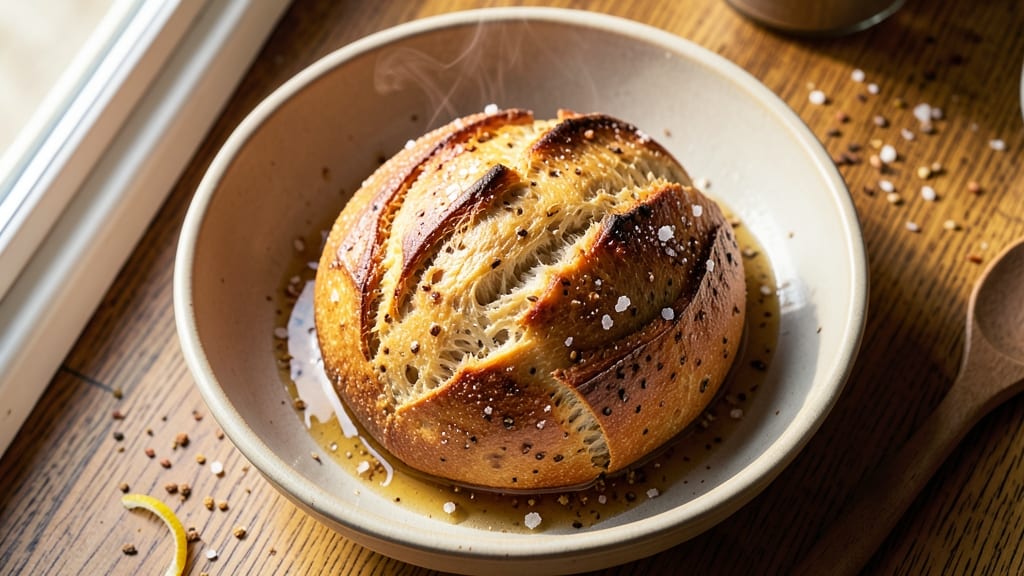
This sourdough bread recipe transforms your loaf with caramelized sweetness by adding sugar to the dough, creating a buttery crust and tender crumb—perfect for breakfast or dessert lovers.
The key lies in strategically adding sugar during mixing or as a topping, which enhances browning and adds depth without overpowering the tangy sourdough flavor. I’ve perfected this technique after years of baking, ensuring your bread stays light and airy despite the sugar’s impact on fermentation.
The sugar works its magic in two ways: either mixed into the dough for even sweetness throughout, or sprinkled on top before baking for a crispy, golden crust with pockets of caramelized goodness.
This method requires slight adjustments to hydration and fermentation time, but the results—rich, toasty notes with a satisfying crunch—are worth every extra minute. The bread’s structure remains intact thanks to precise timing and temperature control.
What you’ll end up with is a loaf that’s visually stunning with a deep amber crust and an interior speckled with subtle sweetness, balanced by the signature tang of sourdough. The sugar caramelizes beautifully, creating pockets of flavor that make every slice feel like a treat.
This recipe delivers professional-quality results without requiring advanced skills—just patience and attention to detail. Ideal for feeding a crowd or gifting, this sweetened sourdough pairs perfectly with butter, jam, or even as a base for French toast.
The versatility of the recipe means you can adjust sugar levels to taste, from lightly sweetened to decadently rich. Let’s get started on creating your perfect loaf.
Ingredients for add sugar to sourdough bread
Sweet sourdough magic starts with these 11 ingredients—flour, sugar, and patience transform into golden loaves.
| Ingredient | Amount | Notes |
|---|---|---|
| Active Sourdough Starter 🍞 | ½ cup | 100% hydration, bubbly and active |
| All-Purpose Flour 🌾 | 5 cups | King Arthur or similar high-protein |
| Granulated Sugar 🍚 | ½ cup | White or light brown preferred |
| Whole Wheat Flour 🌾 | ½ cup | For added depth and texture |
| Warm Water 💧 | 3 ½ cups | 105°F for optimal hydration |
| Salt 🧂 | 2 tsp | Diamond Crystal kosher salt |
| Unsalted Butter 🧈 | ¼ cup | Cold, cubed for topping |
| Coarse Sea Salt 🧂 | 1 tbsp | For final sprinkle on crust |
| Cornmeal 🌽 | ¼ cup | For dusting baking sheet |
| Honey or Maple Syrup 🍯 | 1 tbsp | Optional for extra caramelization |
| Ice Water ❄️ | ¼ cup | For stiffening dough if needed |
The sugar here is your secret weapon. King Arthur flour gives that perfect structure, but any high-protein flour works. I always grab organic cane sugar from Whole Foods for that caramel depth—it's worth the splurge. Your sourdough starter should be lively with bubbles; if it's sluggish, feed it 12 hours before baking. The butter needs to be cold for that buttery crust—take it out of the fridge just before shaping. Pro tip: mix your dry ingredients first to avoid sugar clumping.
No granulated sugar? Brown sugar or even maple syrup works in a pinch, though texture might change slightly. Running short on butter? Olive oil or coconut oil gives a different flavor but still works. The honey/maple syrup is optional but adds extra caramelization if you're feeling fancy. For the whole wheat flour, King Arthur's white whole wheat is my go-to—it blends better than regular whole wheat. If your dough feels too sticky, add ice water 1 tbsp at a time until it's manageable. And trust me, the coarse sea salt on top isn't just for flavor—it creates that stunning crust.
This dough keeps beautifully—cover and refrigerate for up to 3 days before baking. For best results, let it sit at room temp for 1-2 hours before shaping if it's been chilled. The baked loaves stay fresh for 5 days wrapped in a cotton towel, or freeze for 3 months for future toast. I always slice mine with a serrated knife and store in an airtight container to keep that crispy crust. The extra sugar means it'll dry out faster, so don't wait too long to enjoy those golden slices.
Why You'll Love This Recipe
- Sweet Simplicity: I swear by this dough—just mix, let it rise, and bake. No fancy kneading, no stress over hydration ratios. The sugar doesn’t complicate things; it just makes the whole process easier because the starter handles the work while you sip your coffee.
- Golden Crust Magic: That caramelized crust? Chef’s kiss. The sugar turns crispy at the edges while keeping the inside tender—like a cross between a classic baguette and a sweet, pillowy brioche. My kids fight over the last slice, and honestly, I don’t blame them.
- Breakfast to Picnic: This bread is my go-to for everything. Toast it with butter for a lazy morning, pack slices for sandwiches that actually hold up, or tear it over soup when it’s cold outside. It’s the one loaf that does it all without extra effort.
- Budget-Friendly Staple: Whole wheat flour adds fiber, sugar keeps it affordable, and a small starter batch stretches for multiple loaves. I bake two at a time, freeze one, and never waste dough. Leftovers? Toast them into croutons or crumbs—zero guilt, all flavor.
Step-by-step instructions for buttery sweet sourdough bread
This method transforms classic sourdough into a rich, caramelized loaf with golden crust and tender crumb.
Mix the Dough with Sugar for Sweet Depth
In a large mixing bowl, combine the 0.5 cup active sourdough starter, 5 cups all-purpose flour, 0.5 cup granulated sugar, 0.5 cup whole wheat flour, 3.5 cups warm water, and 2 tsp salt. The sugar will dissolve completely into the warm water first, creating a slightly syrupy liquid that enhances fermentation and adds subtle sweetness throughout.
Mix using a dough whisk or your hands until the dough comes together into a shaggy mass. The sugar helps create a more extensible dough that holds gas better during proofing. You'll notice the dough feels slightly tackier than plain sourdough—this is normal. Let it rest for 10 minutes covered with a damp towel to allow the flour to fully hydrate.
Develop Gluten for Structure and Sweetness Balance
After resting, perform a series of stretch-and-folds every 30 minutes for 2 hours. For each fold, wet your hands slightly, grab one side of the dough, stretch it upward, and fold it over itself. Rotate the bowl and repeat this motion all around the dough. The sugar in the dough means you'll need to work a bit more gently than with plain sourdough—it's more delicate during development.
You'll know you're on track when the dough becomes smoother and more elastic, with a slight sheen on the surface. The gluten development creates the perfect structure to hold both the sweetness and the butter we'll add later. After the final fold, let the dough rest for 30 minutes before shaping.
Shape and Add Butter for Richness
Turn the dough onto a lightly floured surface and shape it into a tight boule. The sugar in the dough makes it slightly stickier, so use extra flour only where necessary. Gently roll the dough into a ball, tucking the edges under as you go. Place it seam-side up in a lightly greased bowl, cover with plastic wrap, and refrigerate for 12-16 hours—this cold fermentation enhances flavor development.
Before baking, remove the dough from the fridge and let it come to room temperature for 1 hour. While it rests, prepare a baking sheet by sprinkling 0.25 cup cornmeal evenly across it. Cut 0.25 cup unsalted butter into small cubes and set them aside. The dough will be slightly more fragile than plain sourdough, so handle it gently during transfer.
Score and Bake for Caramelized Crust
Preheat your oven to 425°F with a Dutch oven inside for 45 minutes. Remove the Dutch oven and transfer the dough onto it. Using a sharp razor blade or lame, score the dough with a ½-inch deep cross—this helps control expansion and creates that beautiful ear. Immediately brush the scored dough with 1 tbsp honey or maple syrup (this is where the magic happens) and sprinkle generously with 1 tbsp coarse sea salt. Place the lid on and bake for 30 minutes.
Remove the lid and bake for another 15 minutes until the crust is deep golden brown with caramelized spots. The sugar in the dough and the honey topping create a beautiful contrast between the crispy crust and tender interior. The bread is done when it reaches an internal temperature of 205-210°F—this ensures perfect moisture balance.
Cool and Enjoy the Sweet Results
Remove the bread from the Dutch oven and place it on a wire rack. Let it cool completely for at least 2 hours before slicing—this prevents a gummy texture. The sugar in the dough means the bread will stay moist longer than plain sourdough, but proper cooling still matters. The crust should be firm and crisp, while the interior reveals a beautiful caramelized sweetness throughout.
Slice the bread and serve warm with butter or jam. The combination of the buttery crust, caramelized sweetness from the sugar and honey, and the tangy sourdough flavor creates a perfect balance. Store any leftovers in an airtight container for up to 3 days—the sugar helps preserve freshness better than plain sourdough.
Pro Tips For Making Add Sugar To Sourdough Bread
- Dissolve That Sugar: Mix the granulated sugar into the warm water first—before adding it to the flour. I learned this the hard way after clumps of sugar turned my dough into a textured disaster. A quick 30-second stir ensures even distribution and prevents dry pockets in the crumb.
- Weight Your Dough: Use a kitchen scale for the starter and flours—grams matter more than cups here. Whole wheat absorbs moisture differently, and sugar can throw off hydration. My first few batches were uneven until I switched to precise measurements.
- Skip the Rush Bulk: Let the bulk fermentation run its full time, even if it looks underproofed. Sugar feeds the yeast faster, but overworking it leads to dense bread. I now set a timer and resist the urge to poke or fold early—patience pays off.
- Preheat Your Dutch Oven: Get that oven and Dutch oven screaming hot (500°F) for 30 minutes before baking. The sugar caramelizes faster, giving you that golden crust without burning. Cold pans = sad, flat bread. Trust me, I’ve done it.
Flavor customization for these flavors
Sweet Dough Variations
For a subtle sweetness throughout, mix ¼ cup of the granulated sugar directly into the dough during the initial mix. This creates a tender crumb with even distribution of flavor.
If you prefer a richer caramel taste, replace ¼ cup of the water with ¼ cup maple syrup—the enzymes in the syrup enhance browning beautifully. 🍯
Topping Techniques
Brush the shaped dough with melted butter before baking, then sprinkle 2 tbsp coarse sugar mixed with ½ tsp cinnamon for a streusel-like effect. For extra crunch, press small butter cubes into the scored dough before baking—they’ll melt and create pockets of golden richness.
I love this method for breakfast loaves!
Honey-Glazed Finish
After scoring, drizzle 1 tbsp honey mixed with ½ tsp vanilla extract over the dough. The honey caramelizes quickly, creating a glossy, sticky crust. For a spiced twist, add ¼ tsp cardamom to the honey mixture. This works especially well with whole wheat flour for added depth.
Brown Sugar Swirl
Replace ¼ cup of the granulated sugar with light brown sugar and fold it into the dough during the final stretch-and-fold. After shaping, use a knife to create 2-3 shallow cuts in the dough, then press small brown sugar crystals into the slashes.
The sugar melts during baking, creating sweet pockets inside.
Sweetened Crust Boost
For a buttery-sweet crust, mix 1 tbsp turbinado sugar with 1 tbsp melted butter and brush it over the dough after scoring. The coarse sugar crystals caramelize faster, giving a textured, crunchy crust. I often pair this with coarse sea salt for a sweet-salty balance that’s irresistible.
Flavor Pairing Tips
Serve this sweetened sourdough with warm cinnamon butter (melt 2 tbsp butter with 1 tsp cinnamon) for dipping. For a savory-sweet combo, pair with fig jam and sharp cheddar cheese. The sugar in the dough enhances these pairings, making every bite feel like a treat. 🥖✨
Nutrition facts
Frequently asked questions
Why does adding sugar affect my sourdough fermentation?
Sugar feeds the yeast in your starter, speeding up fermentation slightly. With 0.5 cup sugar in this recipe, expect the dough to rise 10-15% faster than plain sourdough. To compensate, reduce bulk fermentation time by 15-30 minutes or use a cooler environment (70°F instead of 75°F) to maintain proper flavor development.
Can I substitute brown sugar for white sugar?
Yes, but expect slightly different results. Brown sugar adds moisture and a deeper caramel flavor, but it can make the dough slightly denser. Use the same amount (replace 0.5 cup white sugar with 0.5 cup packed brown sugar) and reduce water by 1 tbsp to adjust for the extra moisture. The crust will be richer and more chewy.
How much sugar is too much for sourdough?
For this recipe, 0.5 cup sugar is ideal—any more risks overpowering the sourdough tang and making the dough too sticky. If you want extra sweetness, try adding 1 tbsp honey to the dough instead. The sugar-to-flour ratio should stay under 10% to avoid fermentation issues or a gummy texture.
Will this sweet sourdough rise as well as regular sourdough?
Yes, but with slight adjustments! The sugar helps trap gas better, so you'll get a slightly taller rise. Use a Dutch oven to contain expansion, and score deeply (½-inch cross) to prevent overproofing. The dough may feel more fragile during shaping—handle gently to avoid deflating it.
Can I add sugar to a pre-made sourdough starter?
If your starter is sluggish, add 1 tsp sugar to your usual feeding (like 1:1:1 flour/water/sugar) and feed it 2-3 hours before using. This boosts activity without altering the recipe's balance. For best results, use a starter that's already bubbly and active—sugar won't fix a weak or hooch-filled starter.