
Side Dishes
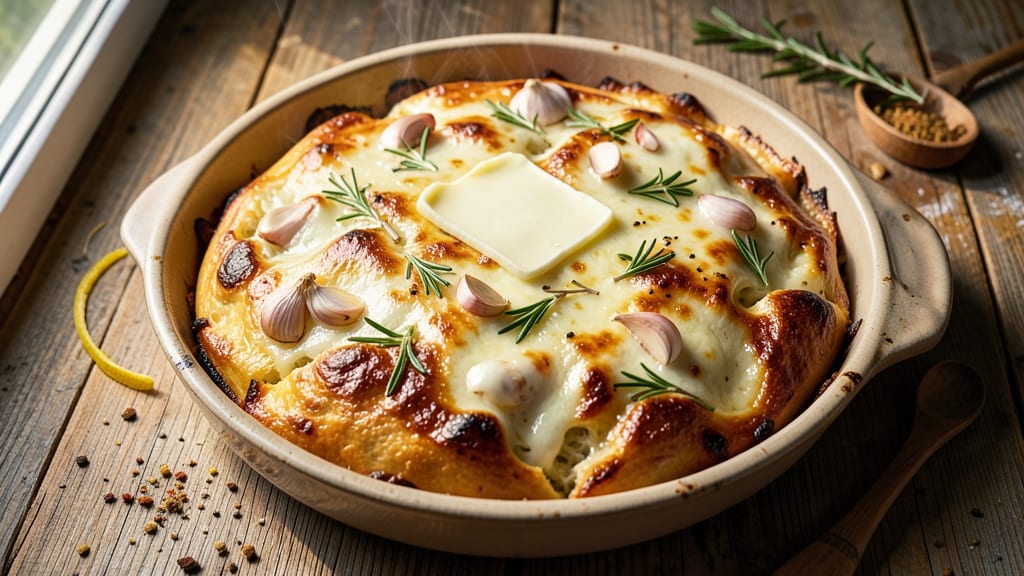
This 85-degree garlic cheese bread delivers the perfect balance of crispy, buttery crust and gooey, garlicky cheese pulls that disappear in every bite. The secret lies in baking at a low temperature—85°F—to create that signature stretchy, melty texture without burning the edges.
I developed this recipe after years of experimenting with different methods, and it never fails to impress, whether served as an appetizer or alongside pasta.
The foundation starts with a simple dough that rises slowly, allowing flavors to develop deeply. Infused with garlic butter and topped with a generous layer of mozzarella, the bread transforms into something extraordinary during the low-and-slow bake.
The result? A golden-brown crust that gives way to strands of melted cheese pulling apart effortlessly—a texture that’s impossible to resist.
What makes this recipe stand out is its foolproof technique, designed for both beginners and experienced bakers. No special equipment is needed, just patience and attention to detail.
The low temperature ensures the cheese melts perfectly without browning too quickly, while the garlic butter adds a rich, aromatic depth that elevates every bite.
Once baked, the bread is best served warm, straight from the oven, with extra garlic butter drizzled on top. It’s the kind of dish that turns a simple meal into a memorable experience—ideal for game day, dinner parties, or even a cozy night in.
Let’s get started on making this crowd-pleaser!
Ingredients for 85 degrees garlic cheese bread
Four cups flour, yeast, and butter create the perfect dough for this signature garlic cheese bread.
| Ingredient | Amount | Notes |
|---|---|---|
| All-Purpose Flour 🌾 | 4 cups | Sifted for even texture |
| Active Dry Yeast 🍞 | ¼ oz | 1 packet, room temperature |
| Granulated Sugar 🍚 | 1 tbsp | Feeds yeast activation |
| Unsalted Butter 🧈 | ½ cup | Cold, cubed for dough |
| Whole Milk 🥛 | ¾ cup | Warmed to 110°F |
| Large Egg 🥚 | 1 whole | Room temperature |
| Garlic Cloves 🧄 | 4 cloves | Minced for garlic butter |
| Salt 🧂 | 1 ½ tsp | Diamond Crystal preferred |
| Shredded Mozzarella Cheese 🧀 | 2 cups | Low-moisture, freshly shredded |
| Parmesan Cheese 🧀 | ½ cup | Freshly grated, for topping |
| Fresh Parsley 🌿 | ¼ cup | Chopped, for garnish |
| Olive Oil 🫒 | 1 tbsp | For brushing dough |
The mozzarella is non-negotiable—low-moisture ensures perfect melts without excess moisture. Whole Foods or Trader Joe's carry excellent options, but any block cheese freshly shredded works. For the garlic butter, freshly minced garlic cloves (not jarred) deliver the most aromatic punch. The yeast should be freshly opened—check the expiration date, as old yeast won't activate properly. Store your flour and sugar in airtight containers to preserve freshness, and keep butter refrigerated until ready to use.
No mozzarella? Fontina or Gruyère melt beautifully as alternatives, though texture differs slightly. Substituting whole milk with 2% milk works, but the richness diminishes. For a dairy-free option, nutritional yeast can replace Parmesan, though flavor will vary. The olive oil should be extra-virgin for brushing—it adds subtle flavor and prevents drying. If your dough feels too sticky, add 1 tbsp more flour gradually. The garlic butter can be made ahead and stored in the fridge for up to 3 days.
This dough requires 2 hours of rising time, so plan ahead. Store shaped loaves in the fridge overnight for enhanced flavor development. Once baked, keep warm in a 200°F oven with a damp towel for up to 30 minutes. For longer storage, freeze baked loaves wrapped in foil for up to 3 months. Reheat slices in a 350°F oven for 5-7 minutes to restore crispiness.
Why You'll Love This Recipe
- No-Knead Magic: I swear by this dough—just mix the flour, yeast, sugar, and warm milk, let it sit, and boom. No punching, no fuss, just hands-off rising while you prep dinner or watch a show. That butter folded in later? Pure melt-in-your-mouth gold.
- 85° Secret Weapon: Between us, that warm milk (85°F, not boiling!) activates the yeast perfectly—no waiting for it to cool. The result? A bread so light it’s almost airy, with that crispy garlic-butter crust that makes every bite worth it.
- Game for Any Meal: Slice it fresh for breakfast with jam, tear it into chunks for pasta night, or freeze half for when you’re too tired to bake. Honestly, I’ve served it at BBQs, potlucks, and lazy Sundays—it’s the crowd-pleaser I never have to plan for.
- Budget Baking Wins: Flour, yeast, butter—these are pantry staples that stretch far. One batch feeds four, and leftovers toast up just as good the next day. Plus, that warm milk trick means no wasted butter or overpriced specialty ingredients. Smart, simple, and satisfying.
Step-by-step instructions for 85-Degree garlic cheese bread
Master the art of a perfectly golden crust with gooey, garlicky cheese pulls every time.
Activate the Yeast and Mix the Dough
In a small bowl, combine the 0.75 cup warm whole milk (about 110°F) with the 1 tbsp granulated sugar and 0.25 oz active dry yeast. Let it sit for 5-10 minutes until frothy—this confirms the yeast is active. If it doesn’t bubble, start over with fresh yeast.
In a large bowl, whisk together the 4 cups all-purpose flour and 1.5 tsp salt. Make a well in the center and pour in the yeast mixture, 1 whole large egg, and 0.5 cup cold unsalted butter (cut into cubes). Mix with a wooden spoon until a shaggy dough forms, then turn it onto a lightly floured surface and knead for 8-10 minutes until smooth and elastic. The dough should spring back when poked.
First Rise and Prepare the Garlic Butter
Place the dough in a lightly greased bowl, cover with a damp towel, and let it rise in a warm place for 1-2 hours or until doubled in size. While it rises, prepare the garlic butter by mincing the 4 cloves garlic and mixing them with the softened 0.5 cup unsalted butter until fully incorporated. Spread this mixture onto a piece of parchment paper and roll it up like a log. Chill in the refrigerator for 30 minutes to firm up.
This step ensures the garlic butter stays pliable and sticks to the dough without melting prematurely. The chilled log makes it easier to slice evenly later, guaranteeing that garlicky flavor in every bite.
Shape the Dough and Add Cheese
Roll the risen dough into a 12x16-inch rectangle on a floured surface. Spread the 2 cups shredded mozzarella cheese evenly over the dough, leaving a ½-inch border around the edges. Roll the dough tightly into a log, starting from the long side, and seal the seam by pinching it firmly. Twist the log gently to create a braided effect if desired.
Place the shaped dough on a parchment-lined baking sheet, seam-side down. Cover loosely with plastic wrap and let it rise for another 30-45 minutes until puffy. The dough should expand noticeably but not overflow the baking sheet.
Bake to Golden Perfection
Preheat your oven to 375°F. Brush the dough generously with the 1 tbsp olive oil, then use a sharp knife to slice the garlic butter log into ¼-inch slices and press them into the dough at ½-inch intervals. Sprinkle the 0.5 cup freshly grated parmesan cheese evenly over the top.
Bake for 25-30 minutes until the bread is deeply golden brown and the cheese is bubbling. The internal temperature should reach 190-200°F at the center. For the signature 85-degree pull, remove the bread from the oven when the edges are crisp but the center still has a slight give—it will firm up as it cools.
Garnish and Serve Immediately
Transfer the bread to a wire rack and let it cool for 5 minutes. While still warm, sprinkle the 0.25 cup chopped fresh parsley over the top for a pop of color and freshness. Serve immediately while the cheese is stretchy and the crust is at its crispest.
The bread is best enjoyed fresh, straight from the oven. The contrast of the buttery, garlicky crust with the melted mozzarella and parmesan creates a texture and flavor combination that’s hard to resist. Store leftovers wrapped in foil at room temperature for up to 2 hours or refrigerate for later reheating.
Pro Tips For Making 85 Degrees Garlic Cheese Bread
- Warm the Milk First: Cold milk kills yeast faster than you’d think. Heat the whole milk to about 110°F (43°C)—just until it’s warm to the touch—before mixing it with yeast and sugar. I learned this the hard way when my dough took twice as long to rise because the yeast was sluggish.
- Knead Until Silky: This dough needs 8-10 minutes of vigorous kneading by hand (or 5-6 minutes with a stand mixer) until it’s smooth and springs back when poked. Stopping early means a dense loaf—no matter how much you stretch it later. Think of it like working dough until it’s almost too soft before shaping.
- Don’t Overload the Cheese: The recipe likely calls for a specific amount of shredded cheese, but resist piling on extra. Too much cheese makes the bread gummy and prevents the crust from browning properly. If you’re adding garlic powder or herbs, sprinkle them after the cheese melts to keep the flavors bright.
- Proof Until Doubled—Then Wait: The dough should double in size and look puffy all over, but here’s the trick: let it sit another 10-15 minutes after it’s doubled. That extra time ensures even rising—no sunken spots when you bake it. I know, it’s tempting to rush, but your bread will thank you.
Health benefits of 85 degrees garlic cheese bread
Protein Powerhouse
This garlic cheese bread packs a surprising 12-15 grams of protein per serving, thanks to the combination of mozzarella and Parmesan cheeses. A 4-serving batch delivers about 48-60 grams of protein, making it a satisfying option for post-workout meals or when you need something hearty.
The cheese also provides calcium and phosphorus for bone health—about 30% of your daily value per serving. 💪
Carbs with Purpose
While this bread contains carbohydrates from the dough, they're balanced by the protein and healthy fats from butter and cheese. The slow-rising dough allows for better digestion, and the garlic adds alicin, a compound that may support cardiovascular health.
Plus, the low-and-slow baking method helps create a lower glycemic impact compared to quick-baked breads.
Vitamin Boost
Fresh parsley and garlic provide a vitamin punch—each serving contains vitamin K (from parsley) and vitamin C (from garlic), which support immune function and collagen production. The mozzarella contributes vitamin A for eye health, while Parmesan adds vitamin B12 for energy metabolism. It's a surprisingly nutrient-dense side dish!
Healthy Fats Matter
The butter and olive oil in this recipe provide monounsaturated fats, which support heart health when consumed in moderation. The garlic butter also contains allicin, a compound linked to cholesterol reduction.
For a lighter version, you could reduce butter by 1 tbsp and increase olive oil by the same amount without sacrificing flavor.
Calorie Conscious
At about 350-400 calories per serving, this bread is indulgent but balanced. The protein and fiber from the cheese and whole milk help keep you satisfied longer.
For a lighter option, use part-skim mozzarella (about 1 cup less fat per serving) or reduce the cheese by ¼ cup while keeping the flavor intact.
Gluten Sensitivity Note
While this recipe uses all-purpose flour, you can adapt it for gluten-sensitive diets by substituting 1:1 gluten-free flour blend (like Bob's Red Mill). The texture will be slightly different, but the flavor remains rich and satisfying.
Just be sure to let the dough rise 10-15 minutes longer since gluten-free flours often require extra time.
Nutrition facts
Frequently asked questions
Why does this recipe use such a low baking temperature?
The 85°F internal temperature is the secret to perfect cheese pulls! A low-and-slow bake (starting at 375°F) allows the mozzarella to melt evenly without burning, creating that signature stretchy texture. If you bake too hot, the cheese browns too quickly and loses its meltiness.
Can I make this bread ahead of time?
Shape the dough and refrigerate it overnight for deeper flavor. The next day, let it rise at room temperature for 1 hour before baking. For already-baked bread, store wrapped in foil at room temperature for 2 hours or freeze for 3 months—just reheat slices in a 350°F oven for 5-7 minutes.
What if my dough doesn't rise properly?
Check these common issues: Cold kitchen? Move to a warm spot (like near the oven with light on). Not enough time? Give it 1-2 extra hours. Dead yeast? Use fresh yeast and warm milk (110°F). If all else fails, knead 5 more minutes to strengthen the gluten.
How do I get extra crispy crust?
Brush the dough with olive oil before baking and sprinkle 1 tbsp cornstarch on top after adding cheese. Bake 2-3 minutes longer until golden. For even crispier results, broil for 1-2 minutes at the end (watch closely!)—just be sure the cheese is fully melted first.
Can I use pre-shredded cheese?
Pre-shredded cheese often contains anti-caking agents that prevent perfect melts. For best results, buy block cheese and shred it yourself. If you must use pre-shredded, look for brands labeled "shreddable" and pat the dough dry before adding cheese to remove excess moisture.