
Side Dishes
This 0 net carb bread recipe delivers the fluffiness of artisanal loaves without the carb crash, perfect for keto diets or anyone watching their sugar intake. The secret lies in almond flour’s natural richness and a touch of psyllium husk for that signature bread texture—no gluten, no guilt.
I’ve baked this loaf countless times, and it never disappoints, rising to a golden-brown perfection that’s hard to resist.
What sets this recipe apart is its simplicity: just five core ingredients and 30 minutes of active time (plus baking). The psyllium husk acts as a binder, creating a light, airy crumb that mimics traditional bread, while erythritol keeps it sweet without the sugar spike.
For extra flavor, try adding seeds or cheese—herbs like rosemary or garlic powder work beautifully too.
The result is a loaf that’s tender, slightly crispy on the edges, and holds up perfectly for sandwiches or toast. Unlike many low-carb breads, this one doesn’t crumble or taste like cardboard. The key is patience during mixing and baking—low and slow ensures even cooking without burning.
Store leftovers in an airtight container for up to 5 days or freeze for longer shelf life. Perfect for meal prep, this bread pairs well with soups, salads, or your favorite deli meats. Let’s get baking!
Ingredients for 0 net carb bread
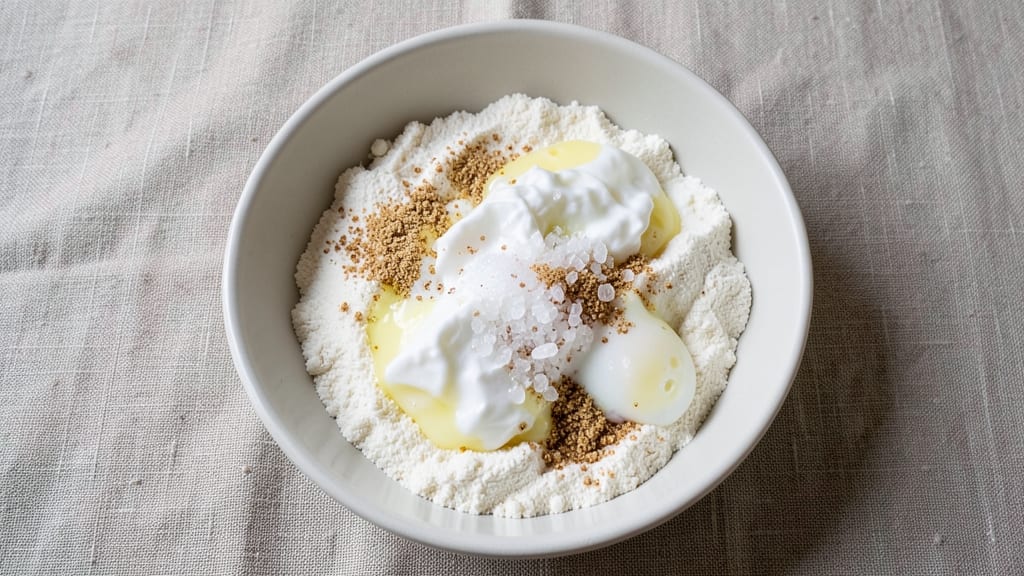
Five core ingredients transform into a fluffy, zero-carb loaf perfect for keto diets.
| Ingredient | Amount | Notes |
|---|---|---|
| Almond Flour 🌰 | 2 cups | Finely ground, unsweetened |
| Psyllium Husk Powder 🌿 | 2 tbsp | Pure, unsweetened |
| Erythritol 🍬 | ½ cup | Granulated, zero-calorie |
| Large Egg Whites 🥚 | 4 whole | Room temperature preferred |
| Baking Powder 🧂 | 1 tsp | Aluminum-free recommended |
| Sea Salt 🧂 | ½ tsp | Fine grain preferred |
| Warm Water 💧 | ½ cup | Not boiling, room temp |
| Xanthan Gum 🧪 | ¼ tsp | Optional for extra elasticity |
| Apple Cider Vinegar 🍎 | 1 tbsp | Activates psyllium husk |
| Garlic Powder 🧄 | ½ tsp | For subtle flavor depth |
| Onion Powder 🧅 | ½ tsp | Complements garlic flavor |
| Sesame Seeds 🌾 | 1 tbsp | Optional topping |
Almond flour is the foundation here—Bob’s Red Mill or Anthony’s Goods brands yield the finest texture. The psyllium husk powder must be pure; brands like Now Foods or NOW Solutions offer high-quality, unsweetened versions. Erythritol should be granulated for even distribution—Lakanto or Wholesome Sweeteners are reliable choices. Egg whites act as the binder, so ensure they're fresh for maximum volume. The warm water activates the psyllium husk, creating that signature bread-like elasticity without gluten.
No erythritol? Allulose or monk fruit sweetener works in equal measure, though texture may vary slightly. Short on egg whites? Flax eggs (1 tbsp ground flaxseed + 3 tbsp water = 1 egg) substitute at a 1:1 ratio, though the crumb will be denser. The garlic and onion powders can be swapped for rosemary or dried thyme if you prefer herbal notes. Sesame seeds are optional but add a delightful crunch—toasted in a dry pan for 2 minutes before sprinkling enhances their flavor. Xanthan gum is non-negotiable for that classic bread texture; omit only if you prefer a denser, moister loaf.
This loaf stays fresh for 5 days in an airtight container, but its texture improves after 24 hours as the psyllium husk fully hydrates. For longer storage, slice and freeze portions—3 months without texture loss. Reheat slices in a toaster or oven at 350°F for 2-3 minutes. The bread reheats beautifully, making it ideal for meal prep. Avoid refrigerating; it dries out faster in cold storage.
Why You'll Love This Recipe
- No-Fuss Mixing: I swear by this recipe because it’s just four ingredients plus water—no fancy techniques, no measuring cups that make you question your life choices. The psyllium husk does all the heavy lifting for structure, so you’re basically just folding and baking. (Yes, even if you’re the kind of person who burns toast.)
- Tastes Like Real Bread: Between us, this isn’t that dry, chalky keto bread you’ve probably tried. The almond flour gives it a nutty warmth, while the egg whites keep it light—almost like a cross between sourdough and a soft pretzel crust. Honestly, I’ve fooled my non-keto friends more times than I’ll admit.
- Weeknight Hero: This is my go-to for sandwiches, toast, or even garlic bread—no one’s judging if you microwave a slice straight from the loaf. It freezes like a dream too, so you can bake a batch on Sunday and grab slices all week without the guilt. (Or the effort.)
- Budget-Friendly Staple: A single batch costs me less than $3 and stretches to four full loaves—that’s $0.75 per loaf, people. The erythritol sweetens without breaking the bank, and almond flour lasts forever in my pantry. Not the prettiest, but the taste makes up for it every time.
Step-by-step instructions for 0 net carb bread
This method delivers a light, airy loaf with zero net carbs—no dense texture or aftertaste.
Whisk Dry Ingredients for Even Distribution
In a large mixing bowl, combine the 2 cups almond flour, 2 tbsp psyllium husk powder, 0.5 cup erythritol, 1 tsp baking powder, 0.5 tsp sea salt, 0.5 tsp garlic powder, and 0.5 tsp onion powder. Use a whisk to break up any lumps in the almond flour and distribute the psyllium husk powder evenly—this prevents clumping and ensures proper binding. The mixture should look uniformly dry with no visible streaks of powder.
I sift the ingredients through a fine-mesh sieve first for even better distribution. Psyllium husk absorbs liquid aggressively, so thorough mixing at this stage guarantees a consistent texture. Set the bowl aside while you prepare the wet ingredients—this keeps everything ready for quick combination.
Activate the Psyllium with Wet Ingredients
In a separate bowl, whisk together the 4 whole large egg whites, 0.5 cup warm water, 1 tbsp apple cider vinegar, and 0.25 tsp xanthan gum until completely dissolved. The vinegar activates the psyllium husk, creating a gel-like consistency that mimics gluten's binding properties. You'll notice the mixture thicken noticeably—this is crucial for achieving that classic bread structure.
Let this mixture sit for 5 minutes while you preheat your oven to 350°F. The psyllium needs time to fully hydrate and develop its gelling properties. If you rush this step, your bread will be dense rather than light and airy. The warm water helps activate the psyllium more efficiently than cold water would.
Combine Wet and Dry Ingredients
Pour the wet mixture into the bowl with dry ingredients and stir vigorously with a rubber spatula for 2-3 minutes until you achieve a thick, shaggy batter. The psyllium will create long, stretchy strands as it binds with the liquids—this is normal and indicates proper activation. If the batter looks too dry, add 1-2 teaspoons of warm water to help it come together.
At this stage, the batter should be thick enough to hold its shape when spooned but still slightly sticky. Overmixing develops gluten-like properties, but with these ingredients, we want just enough structure to hold together during baking. The mixture will naturally thicken further as it rests, so don't worry if it doesn't look perfectly smooth yet.
Shape and Bake the Loaf
Transfer the batter to a 9x5-inch loaf pan lined with parchment paper, pressing down gently to remove air bubbles. The pan should be only about ⅔ full—don't overfill it, as the bread will rise significantly. Sprinkle the 1 tbsp sesame seeds evenly over the top for texture and flavor. Place the pan in the preheated 350°F oven and bake for 45-50 minutes until the top is golden brown and a toothpick inserted in the center comes out clean.
I tap the loaf gently on the side about 10 minutes into baking to check for even expansion. The bread should rise noticeably and develop a slight dome shape. If the top browns too quickly, tent it loosely with aluminum foil to prevent over-browning while allowing steam to escape. The internal temperature should reach 205°F for perfect doneness.
Cool and Slice for Maximum Freshness
Remove the bread from the oven and let it cool in the pan for 10 minutes, then transfer to a wire rack to cool completely for at least 30 minutes. This resting period allows the psyllium gel to fully set and the structure to stabilize. Cutting too soon results in a gummy texture—patience here makes all the difference.
The finished loaf should have a light, airy crumb with a slightly crisp exterior. Each slice should hold its shape without falling apart, and the flavor should be subtly savory from the garlic and onion powders. Store any leftovers in an airtight container at room temperature for up to 3 days or freeze for longer storage—this bread reheats beautifully in a toaster or oven.
Pro Tips For Making 0 Net Carb Bread
- STIR THE PSYLLIUM FIRST: Mix the psyllium husk powder with the egg whites before adding almond flour—this prevents clumping and ensures the dough binds properly. I learned this the hard way after scrapping a batch where the psyllium sat in dry lumps like tiny sandbags.
- WEIGH YOUR ALMOND FLOUR: Scooping almond flour leads to inconsistent results—use a kitchen scale for accuracy. A 10-gram difference can make your bread dense or crumbly, and trust me, you’ll notice when you skip this.
- DON’T OVERMIX THE DOUGH: After combining ingredients, stop stirring once everything is just incorporated—overworking the dough makes it tough and dry. Two turns with a spatula is all it takes; more is just inviting trouble.
- LET IT REST 15 MINUTES: Skip the rush and let the dough sit covered for 15 minutes before baking—this gives the psyllium time to fully hydrate and expand. I used to bake it immediately, and the bread always came out gummy inside. Patience here makes all the difference.
Serving suggestions for leftovers
Breakfast Pairings
This zero-carb bread makes an incredible keto-friendly toast—top it with avocado slices, sugar-free butter, and a sprinkle of everything bagel seasoning for a satisfying morning meal. I love pairing it with scrambled eggs and smoked salmon for a protein-packed breakfast that keeps me full for hours.
For a sweet option, spread with almond butter and drizzle with sugar-free chocolate syrup. 🥑
Lunch Sandwiches
Use this bread for low-carb deli sandwiches—stack with turkey slices, cheddar cheese, and a smear of mustard for a classic lunch.
I also make grilled chicken Caesar wraps by spreading the bread with garlic aioli, layering with grilled chicken, romaine lettuce, and Parmesan crisps. For a Mediterranean twist, add hummus, cucumber slices, and feta cheese between two slices. 🥪
Dinner Sides
Serve warm slices alongside grilled steak or baked chicken thighs for a hearty dinner. The bread’s subtle garlic and onion flavors complement herb-roasted pork chops beautifully. I also pair it with creamy mashed cauliflower and roasted Brussels sprouts for a well-rounded, low-carb meal.
The crisp edges add texture that balances rich proteins. 🍗
Snack Boards
Create a zero-carb snack board with this bread as the base—add sliced salami, olives, cheese cubes, and nuts for a satisfying bite. I often include sugar-free jam or whipped cream cheese for dipping.
This makes a great game-day spread or after-dinner treat that won’t spike your blood sugar. 🧀
Meal Prep Uses
Slice the bread and freeze individual portions for quick toast or sandwiches later. I reheat slices in a toaster oven at 350°F for 2-3 minutes to restore crispness. Pack pre-sliced bread in airtight containers with deli meats and cheese for grab-and-go lunches.
The texture holds up well even after freezing, making it perfect for busy weeks. ⏰
Dessert Twists
For a sweet treat, brush warm slices with sugar-free caramel sauce and top with dark chocolate chips or whipped coconut cream. I’ve also made mini bread pudding by cubing leftover slices, soaking in vanilla almond milk, and baking with cinnamon and pecans.
The subtle sweetness from erythritol makes it dessert-worthy without the guilt. 🍫
Nutrition facts
Frequently asked questions
Why does this bread use psyllium husk instead of gluten?
Psyllium husk mimics gluten's binding properties without the carbs! It creates that signature bread-like structure by forming a gel when mixed with liquids. The 2 tbsp in this recipe ensures a light, airy crumb that holds together perfectly—no crumbling or dense texture. It's also a great fiber source for digestion.
Can I make this bread without egg whites?
Yes, but the texture will be denser. Replace the 4 egg whites with 4 flax eggs (1 tbsp ground flaxseed + 3 tbsp water per egg) or 4 tbsp aquafaba (chickpea brine). For best results, add 1 extra tbsp psyllium husk to compensate for the reduced binding. The flavor stays neutral, but the crumb will be slightly heavier.
How do I prevent my bread from tasting bitter?
Bitter flavor usually comes from overbaking or old almond flour. Use fresh almond flour (stored in the fridge) and bake until the internal temp reaches 205°F (about 45-50 minutes). If it browns too quickly, tent with foil. For extra flavor balance, add ½ tsp vanilla extract or 1 tbsp nutritional yeast to the batter—both add depth without bitterness.
Is this bread safe for people with nut allergies?
No, this recipe contains almond flour, which is a tree nut. For a nut-free version, substitute with sunflower seed flour or coconut flour (though you'll need to adjust other ingredients—see the notes for ratios). Always check labels on psyllium husk and erythritol brands for cross-contamination warnings if nut allergies are severe.
Can I make this bread in a different shape (like rolls or baguettes)?
For rolls, divide the batter into 8 equal portions and shape into balls. Bake on a parchment-lined tray at 350°F for 15-18 minutes until golden. For a baguette, press the batter into a 9x3-inch loaf pan and bake for 35-40 minutes. The psyllium works in any shape—just reduce baking time by 5-10 minutes for smaller sizes.